
Abstract
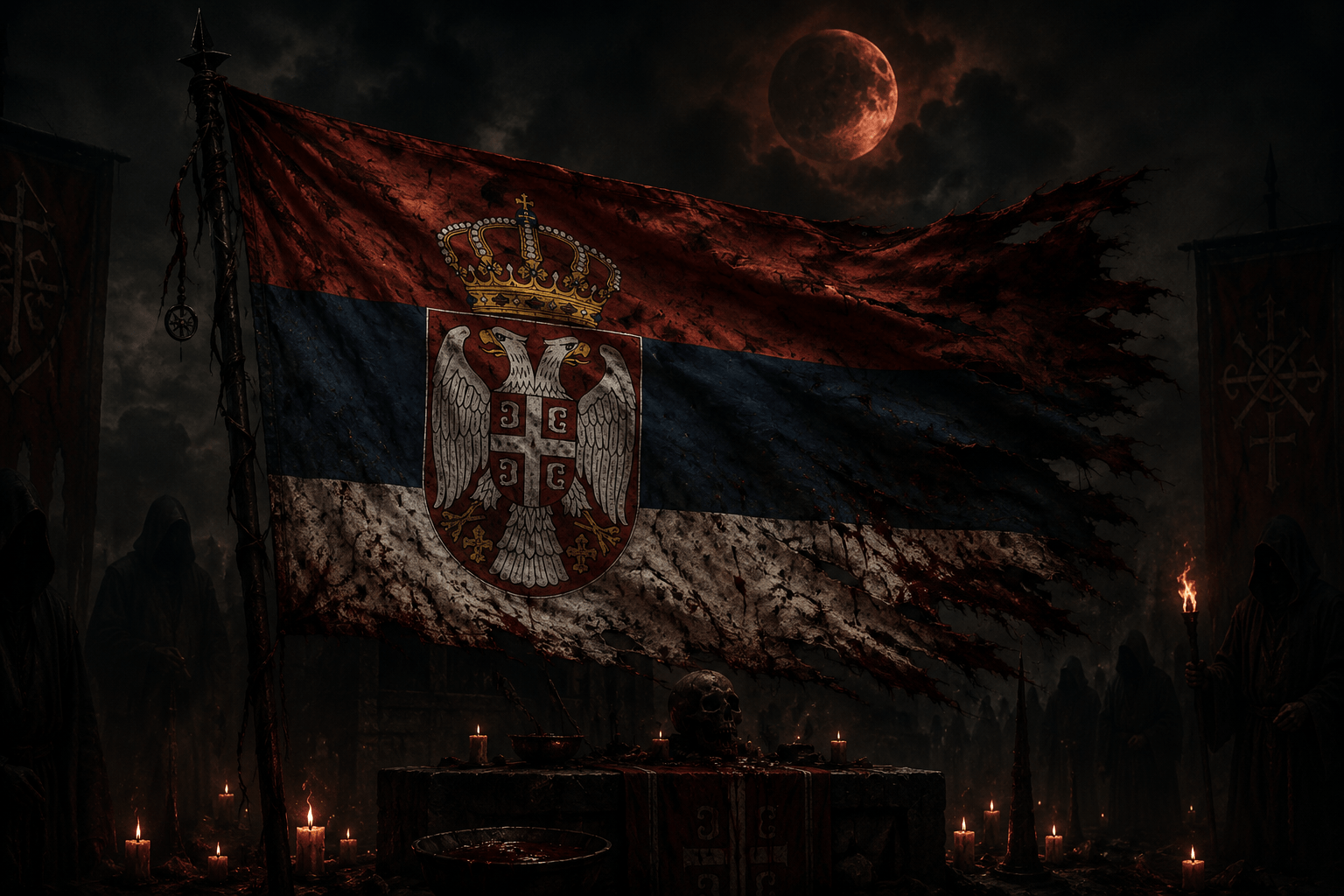
This comparative analysis examines striking similarities between alleged Satanic death rituals and documented torture practices during the Yugoslav Wars, particularly Serbian atrocities in Kosovo (1998–1999) and broader Balkan conflicts (1991–1999). Both discourses feature systematic physical abuse—including beatings, electric shocks, falaka, and mutilation—alongside widespread sexual violence as a weapon of terror, mock executions, forced witnessing of atrocities, and psychological humiliation. Organized group violence in detention settings served to dehumanize victims, instill communal fear, and achieve ethnic or ideological dominance. While the discourses converge on the mechanics of extreme cruelty, they diverge in evidentiary foundations and underlying motivations: ethno-nationalist warfare versus occultism. The comparison illuminates recurring patterns in human-inflicted suffering across real conflicts and ritual contexts.
International human rights organizations, such as Human Rights Watch and Amnesty International, along with evidence presented at the International Criminal Tribunal for the former Yugoslavia (ICTY), have extensively documented these abuses.
Satanic Ritual Abuse Allegations and Historical Torture: A Comparative Analysis with Atrocities in the Yugoslav Wars (1991–1999)
Similarities between the two discourses primarily revolve around their discussion of extreme torture methods, psychological terror, sexual violence, and the use of brutality for intimidation and control, though the discourses frame the phenomena very differently. In the first, victims are tortured in the name of a diety, in the second, the victims are tortured simply for being a different nationality or having a different religion other than the Serbian one.
Similarities between the two discourses center on descriptions of extreme physical and psychological violence, sexual abuse as a weapon of terror, and organized brutality used to dominate, humiliate, and control targeted populations.
Documented cases of Serbian blood rituals using Albanian victims during the Balkan War of 1912
Leo Freundlichs rare book “Screaming accusations” contains information stating that in 1912 the Serbian soldiers would collect the blood of dead Albanians before feasting. Brunilda Ternova writes:
“The only copy of Freundlih’s book “Screaming Accusations”, contains the protest against Europe that did not react in defense of Albanians during the mass extinction of most of the Albanian people in the Balkans. The book was found in the library of Harvard University in the USA, in 1982 by the researcher Safete Juka, living in America.”Hundreds and thousands of massacred corpses floated in the rivers.
Those who could escape disease, hunger, infantry rifle bullets and Serbian artillery shells were collected in designated places and received a bullet in the head. Those who hid in their homes suffered the most. After the fine searches that were made for loot and gold, they were easily found and slaughtered like lambs. The greatest tortures were suffered by Albanian women, who were raped, then tied up, hooded, covered with straw and burned alive.
If they were pregnant, their wombs were opened with a bayonet and, after the baby was brought out of the womb, they put it on the tip of the bayonet or on poles. After the slaughter, the Serbs drank wine, sang and danced. There were cases when during the slaughter they collected the blood in cups and opened the feast with it.”
Shared Elements in Torture Practices
Both accounts describe overlapping methods of physical abuse:
Beatings and blunt trauma: Use of clubs, batons, cables, rifle butts, and similar objects.
Electric shocks applied to sensitive body parts.
Falaka-style foot beatings and other targeted corporal punishments.
Mutilation and desecration: Genital torture, castration, severing of limbs, gouging of eyes, throat-slitting, and postmortem abuse of bodies.
Deprivation tactics: Withholding food, water, medical care, and subjecting victims to overcrowding, filth, and extreme isolation (including solitary confinement or sensory deprivation).
Sexual Violence as Systematic Terror
Both subjects highlight rape and sexual torture as deliberate tools rather than side effects:
Large-scale, organized sexual assaults aimed at humiliating individuals, families, and entire communities.
Acts often committed publicly or in front of relatives to maximize psychological damage and enforce ethnic or social control.
Estimates of tens of thousands of victims, predominantly women and girls, with additional elements of forced impregnation and genital mutilation.
Psychological and Ritualistic Humiliation
Common patterns include:
Mock executions (e.g., guns placed in mouths or against heads with empty chambers).
Forcing victims to witness the torture, rape, or killing of family members and others.
Religious or cultural desecration to deepen humiliation (such as forcing dietary violations or attacks on sacred symbols).
Creation of pervasive fear that extends beyond direct victims to entire groups, breaking communal bonds.
Organized Nature and Group Dynamics
Both discourses portray the violence as systematic and enabled by group structures:
Perpetrators operating within official or semi-official frameworks (security services, military, paramilitary units) with relative impunity.
Detention facilities—prisons, camps, or makeshift sites—serving as primary venues for sustained abuse.
Use of forced confessions or public degradation to legitimize further persecution.
Broader Functions and Impacts
In both cases, the violence serves strategic ends:
Instilling terror to force displacement or submission.
Dehumanizing victims to justify ethnic, political, or ideological dominance.
Producing long-term trauma for survivors and communities.
The discourses converge on the mechanics of inflicted suffering—how humans in positions of power deploy physical pain, sexual violation, and psychological breakdown as instruments of control—but differ significantly in their assessment of motivations (ethno-nationalist and wartime versus occult/supernatural) and the strength of supporting evidence. These parallels illustrate recurring patterns in extreme human cruelty across documented conflicts and ritual contexts.
References
deYoung, Mary. “Sociological Views on the Controversial Issue of Satanic Ritual Abuse: Three Faces of the Devil.” Journal of Traumatic Stress (various editions).
Einolf, Christopher J. “The Fall and Rise of Torture: A Comparative and Historical Analysis.” Sociological Theory 25, no. 2 (2007): 101–121.
Frankfurter, David. Evil Incarnate: Rumors of Demonic Conspiracy and Satanic Abuse in History. Princeton University Press, 2006.
Karcic, Hikmet. Torture, Humiliate, Kill: Inside the Bosnian Serb Camp System. University of Michigan Press, 2022.
Lanning, Kenneth V. “Investigator’s Guide to Allegations of ‘Ritual’ Child Abuse.” FBI, 1992.
United Nations and ICTY reports on Srebrenica and ethnic cleansing (various, 1990s–2000s).

