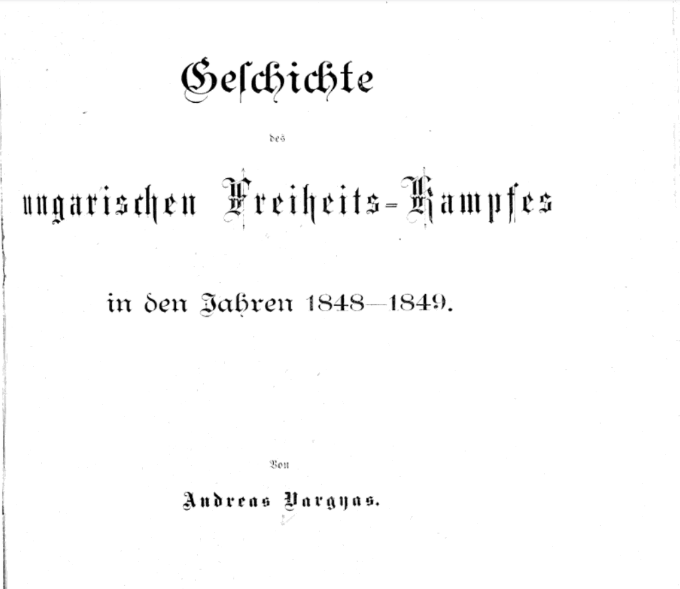

The Hungarian Revolution of 1848, part of the broader European Spring of Nations, sought liberal reforms, independence from Habsburg dominance, and national unification. However, it quickly escalated into multi-ethnic civil wars within the Kingdom of Hungary. In southern regions like Bácska (Bačka) and the Banat, significant Serbian populations—often supported by Austrian interests and volunteers from the Principality of Serbia—rose up, demanding autonomy or separation. Hungarian contemporary accounts, such as those in Geschichte des ungarischen Freiheits-Kampfes, portray these events as Serbian banditry and atrocities instigated by the Viennese camarilla against loyal Hungarian populations.
Background
Serbian leaders, including Patriarch Rajachich (Rajačić), convened national assemblies, such as the one in Karlovitz (Sremski Karlovci) in May 1848. These gatherings declared Serbian political independence from Hungary and sought confirmation from the Austrian emperor.
Agitators used inflammatory language emphasizing complete separation of Serbian territories. According to Hungarian sources, this movement was not spontaneous but fueled by external support: Austrian officers and resources armed Serbian forces, turning ethnic tensions into open rebellion.
By late June 1848, Serbian forces had grown to around 28,000 troops, with concentrations at Alibunar (5,000) and Perlas (4,000). They established fortified positions and launched raids. Hungarian accounts describe how Serbian irregulars, including border guards, attacked settlements, plundering and burning Hungarian, German, and other non-Serbian villages. The conflict degenerated into cycles of revenge, with mobile columns on both sides.
Reported atrocities and devastation
Hungarian narratives detail specific incidents of Serbian violence:
Temerin and Jarek: These places “fell victim, abandoned to the Serbian arsonists without a single sword stroke.” No efforts were made to recapture them immediately, leaving populations exposed to burning and looting.
Földvár and surrounding areas: Captured but then abandoned, allowing Serbian forces to consolidate gains.
Raids and Devastation: After failed assaults, Serbian troops reportedly “mercilessly devastating everything they found in their path” while retreating from places like Kikinda. Serbian forces operated from entrenchments at Tomassovácz, Alibunar, and Ördöghid, using them as bases for raids.
The accounts accuse Serbian leaders like Stratimirović of inciting the population to defend “national identity” through force. Hungarian civilians faced murder, arson, and expulsion. One passage claims the camarilla “lured the Serbian robbers into the country to murder the Hungarian people” and assigned them rich lands as rewards. Serbian irregulars were labeled “bandit hordes,” with actions including plundering and massacring defenseless populations.
In response, Hungarian forces under commanders like Damjanich and others conducted counteroffensives, recapturing positions such as Pancsova. Damjanich’s troops stormed entrenchments, and there are mentions of harsh treatment of prisoners (e.g., stripping Serbian captives naked in Moholy). Hungarian Honvéd troops and volunteers, including the “Red Caps,” engaged in bayonet charges and grapeshot barrages to break Serbian lines.
Context
These events occurred amid Austrian divide-and-rule tactics. Jelačić’s Croatian campaign and Romanian uprisings in Transylvania compounded Hungary’s multi-front war. Serbian volunteers from across the border bolstered rebel numbers, and imperial flags flew alongside Serbian ones in places like St. Tamás.
The Serbian uprising contributed to the eventual defeat of the Hungarian Revolution in 1849, aided by Russian intervention. It led to the short-lived Voivodeship of Serbia and Banat of Temeschwar under direct Austrian control. The events deepened ethnic animosities in the region that persisted into later conflicts.

Source
Geschichte des ungarischen Freiheits-Kampfes in den Jahren 1848-1849. Andras Vargyas. Mehner. 1879

