
Quotes from the book
“Epirus, during the real historical period, was Illyrian rather than Greek.”
“Important movements of some of the principal races seem to have taken place towards the close of the early period. It may be suspected that these had their origin in the pressure upon Upon North-Western Greece of the Illyrian people, the parent (probably) of the modern Albanians. The tribes to the west of Pindus were always regarded as less Hellenic than those to the east; and the ground of distinction seems to have been the greater Illyrian element in that quarter.”
“The Trojan War, if a real event, may have resulted from the Illyrian pressure, being an endeavour to obtain a vent for a population, cramped for room, in the most accessible part of Asia.”
“AEtolia, the country of Diomed, though famous in the early
times, fell back during the migratory period almost into a savage condition, probably through the influx into it of an Illyrian population which became only partially Hellenised.”
“According to the tradition generally accepted by the Greeks,the Macedonian kingdom, which under Philip and Alexander attained to such extraordinary greatness, was founded by Hellenic emigrants from Argos. The Macedonians themselves were not Hellenes; they belonged to the barbaric races, not greatly differing’ from the Greeks in ethnic type, but far behind them in civilisation, which bordered Hellas upon the north. They were a distinct race, not Pasonian, not Illyrian, not Thracian. but, of the three, their connexion was closest with the Illyrians”.
Source
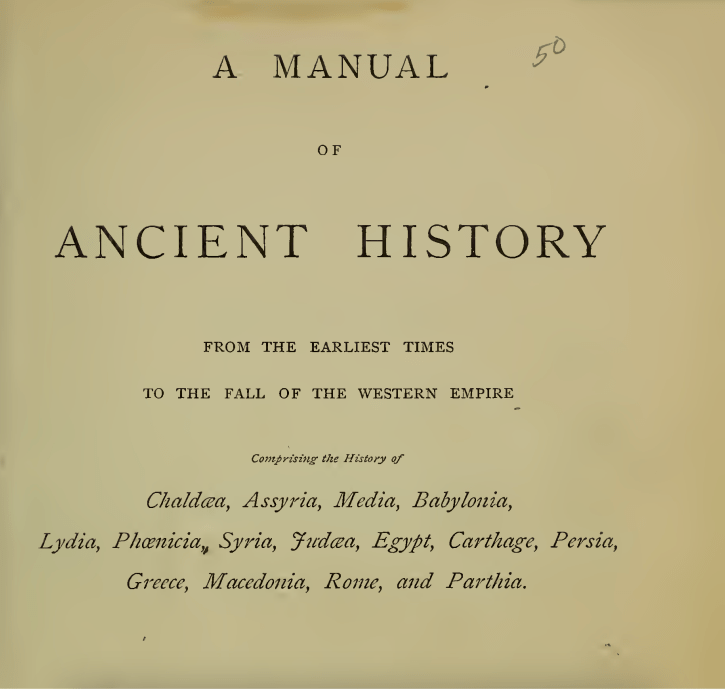
A MANUAL OF ANCIENT HISTORY FROM THE EARLIEST TIMES TO THE FALL OF THE WESTERN EMPIRE. Comprising the History of Chaldcea, Assyria, Media, Babylonia, Lydia, Phoenicia, Syria, Judea, Egypt, Carthage, Persia, Greece, Macedonia, Rome, and Parthia. https://upload.wikimedia.org/wikipedia/commons/a/a8/A_manual_of_ancient_history_%28IA_manualofancienth01rawl%29.pdf

