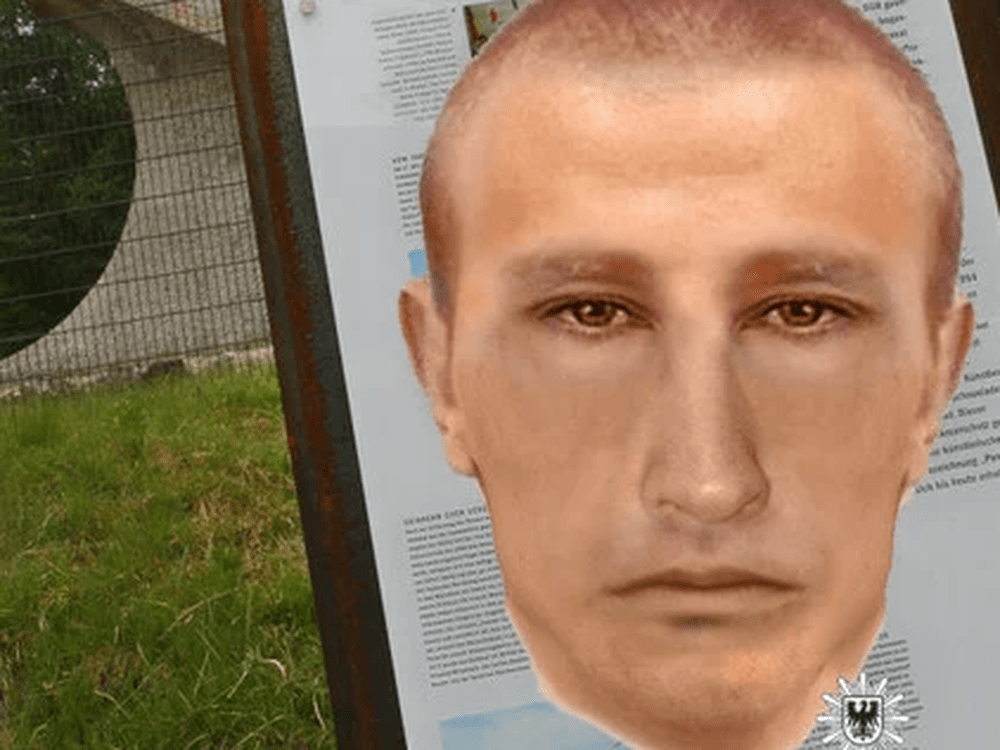

Analysis of Serbian rapists reported both in Europe and during war.
Sexual violence involving Serbian nationals spans both individual criminal acts in peacetime (in Serbia, Montenegro, and the diaspora) and large-scale, systematic use as a weapon of war during the 1990s Yugoslav conflicts, particularly in Bosnia and Herzegovina. The Bosnian War stands out for the documented scale and strategic intent behind many offenses by Bosnian Serb and Serbian forces.
Wartime Rape as a Tool of Ethnic Cleansing (Bosnia 1992–1995)
During the Bosnian War, Bosnian Serb forces (Army of Republika Srpska – VRS – and paramilitaries) perpetrated the vast majority of rapes as part of a systematic campaign of ethnic cleansing targeting Bosniak (Bosnian Muslim) civilians. Estimates of female victims range from 12,000–50,000, with the ICTY citing 20,000–50,000 total rapes; the majority involved prolonged imprisonment and occurred in detention facilities. Male victims numbered in the thousands as well.
Foča and Serbian Rape Camps
Bosnian Serb forces established “rape camps” where women and girls were detained, repeatedly raped, and subjected to sexual enslavement. The landmark Kunarac et al. case (ICTY) resulted in convictions for rape as a crime against humanity and sexual enslavement. Dragoljub Kunarac received 28 years, Radomir Kovač 20 years, and Zoran Vuković 12 years.
Vilina Vlas (Višegrad)
A hotel converted into a rape camp by Serb paramilitaries. Estimates suggest around 200 Bosniak women and girls were detained, raped, tortured, and often killed there. The site has since reopened as a tourist hotel with little to no acknowledgment of its past.
Rape served multiple Serbian strategic purposes: terrorizing populations, forcing displacement, and attempting to alter ethnic demographics (“Chetnik children”). UN and ICTY findings confirm that while all sides committed sexual violence, Bosnian Serb forces were responsible for the overwhelming majority, operating over 60% of relevant detention sites.
The ICTY charged over 70 individuals with sexual violence crimes and secured numerous convictions, establishing important precedents (e.g., rape as torture and enslavement as a crime against humanity). However, many lower-level perpetrators were never prosecuted.
Peacetime Cases in Serbia, Montenegro, and the Diaspora
Serbia
Reported rapes are relatively low due to underreporting which is severe due to stigma, weak institutional response, and victim-blaming. A 2019 OSCE study found ~5% of women experienced sexual violence after age 15. High-profile cases, such as tabloid interviews with convicted serial rapists showing minimal remorse, have sparked feminist protests.
Montenegro
Light sentencing is a noted issue; rapists reportedly serve an average of only about 2 years and 8 months. Surveys indicate high rates of unreported partner violence.
Abroad
Serbian nationals appear in diaspora rape cases, including serial offenses in Germany (e.g., a 29–30-year-old convicted in Berlin/Brandenburg) and Switzerland. These are individual crimes, not organized, but they contribute to public discourse on integration and crime.
Cases of Serbian nationals convicted or accused of rape abroad
Comprehensive official lists are not publicly centralized, so this is based on reported news cases. These are isolated criminal acts, not linked to organized or wartime patterns.
Germany
2021 Berlin case: A 30-year-old Serbian national was convicted in April 2021 by a Berlin court of a series of rapes committed in and around Berlin in summer 2020. He was sentenced to 14 years in prison.
Other reports mention a suspected Serbian serial rapist arrested in Berlin and Brandenburg around 2020 (29-year-old), aligning with the above conviction.
Switzerland
Basel (2026): A 46-year-old Serbian man faced trial on serious rape charges. The victim reportedly escaped using hand gestures. (from prior context)
Zurich (2025): A 50-year-old Serbian man was convicted of rape by the Zurich District Court
Peacetime Cases in Serbia, Montenegro, and the Diaspora
Serbian citizen, returned multiple times, because of … Police have arrested Serbian citizen MG (30) on suspicion of rape. According to the police headquarters…
Serial rapist Siniša K. sexually abused 7 women. “But for victims’ lawyer Roland Weber, this ‘apology’ is not enough: ‘Siniša K. is a highly dangerous serial rapist. He committed …”
Wartime Rape Context
“My father is a war rapist.” They are often called “forgotten children”: people in Bosnia and Herzegovina who have been raped…
… Serbs raping Serbian women. This is not … A Serbian cross hung around her neck; the rapist hurled insults …
Sexual violence as a weapon of war. Arta was a victim of sexual violence during the Kosovo War. Rape is considered a disgrace. Since the end of the war…
Amnesty International publishes testimonies from rape victims in Tuzla, a Bosnian city that served as a refuge during the war…
“He lowered his head first.” Former judge Nusreta Sivac was raped in a Bosnian prison camp. After the war, she brought her rapists to justice…
Comparative Context and Broader Patterns
Scale
Wartime figures dwarf peacetime ones. Individual cases reflect ordinary criminality influenced by factors like underreporting, lenient sentencing (especially in Montenegro), and cultural attitudes.
Impunity
Many wartime perpetrators remain unpunished or celebrated in some Serbian nationalist circles. Peacetime conviction rates are low, and media controversies (e.g., sympathetic interviews with rapists) highlight societal challenges.
Victim Impact
Wartime survivors face long-term trauma, stigma, and denialism. Peacetime victims encounter systemic barriers to justice.
This pattern shows both exceptional wartime brutality tied to nationalist ideology and ethnic cleansing, and more typical criminal issues in the region and diaspora. Reliable data remains incomplete due to underreporting and political sensitivities.
Sources
“3 Serbs Convicted in Wartime Rapes.” New York Times, February 23, 2001. https://www.nytimes.com/2001/02/23/world/3-serbs-convicted-in-wartime-rapes.html.
“‘He Lowered His Head First.’” Basler Zeitung, March 19, 2013. https://www.bazonline.ch/er-s…
“‘My Father Is a War Rapist.’” BR24, March 8, 2021. https://www.br.de/nachrichten.
“20 Years after the Kosovo War – Compensation for the…” Deutschlandfunk, June 11, 2019. https://www.deutschlandfunk.de/…
“993 – The Sold War.” Emma, September 1, 1993. https://www.emma.de/artikel.
Blick. “Rape Trial. Woman Escapes Her Attacker…” March 20, 2026. https://www.blick.ch/schweiz.
Blick. “Zurich: Serb (50) Convicted of Rape.” December 8, 2025. https://www.blick.ch/zuerich.
Deutscher Bundestag. “Systematic Rape as a Means of Serbian Warfare…” DIP. https://dip.bundestag.de/.
KOSMO. “Serial Rapist Siniša K. Sexually Abused 7 Women.” February 18, 2021. https://www.kosmo.at/serien…
MDR.de. “Rape in the Bosnian War: The Wound That Has Not Healed.” July 12, 2022. https://www.mdr.de/politik.
Serbian citizen MG (30) arrest report. Vijesti.me, April 16, 2026. https://de.vijesti.me/Nachrichten.
“Tortured until She Lost Her Child.” Neue Zürcher Zeitung, March 29, 2012. https://www.nzz.ch/massenve…
Welt. “Serbian Rapists Convicted.” February 22, 2001. https://www.welt.de/print-welt.
International Criminal Tribunal for the former Yugoslavia (ICTY). Various judgments, including Prosecutor v. Kunarac et al. (Foča rape camp cases).
United Nations Commission of Experts. Reports on sexual violence in the former Yugoslavia.

