

By Adnan Qaka
In Kosovo, the Orthodox churches of the Serbian community, which have been unfairly designated as the “Serbian Orthodox Church” through the Ahtisaari Package and the Constitution of the Republic of Kosovo, have maintained a role that goes beyond their traditional religious function. These religious structures, through a privileged legal status and international support, have managed to exert significant political, cultural and strategic influence, often in contradiction to the principles of sovereignty and state integrity of Kosovo.
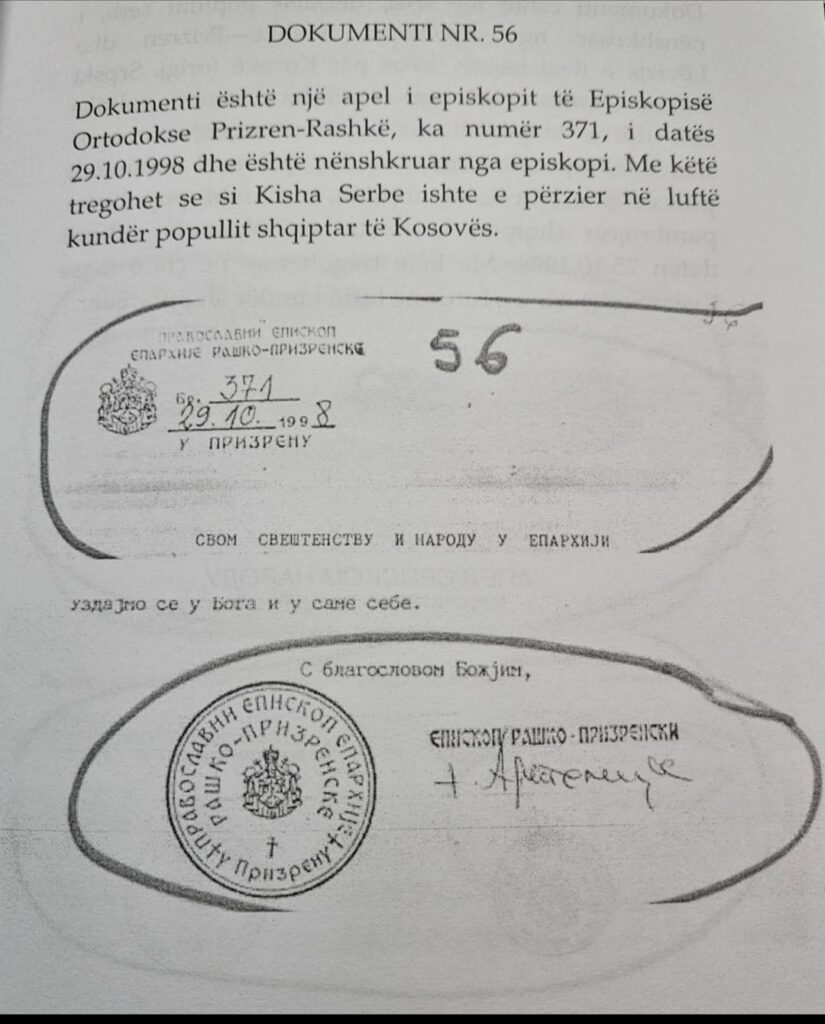
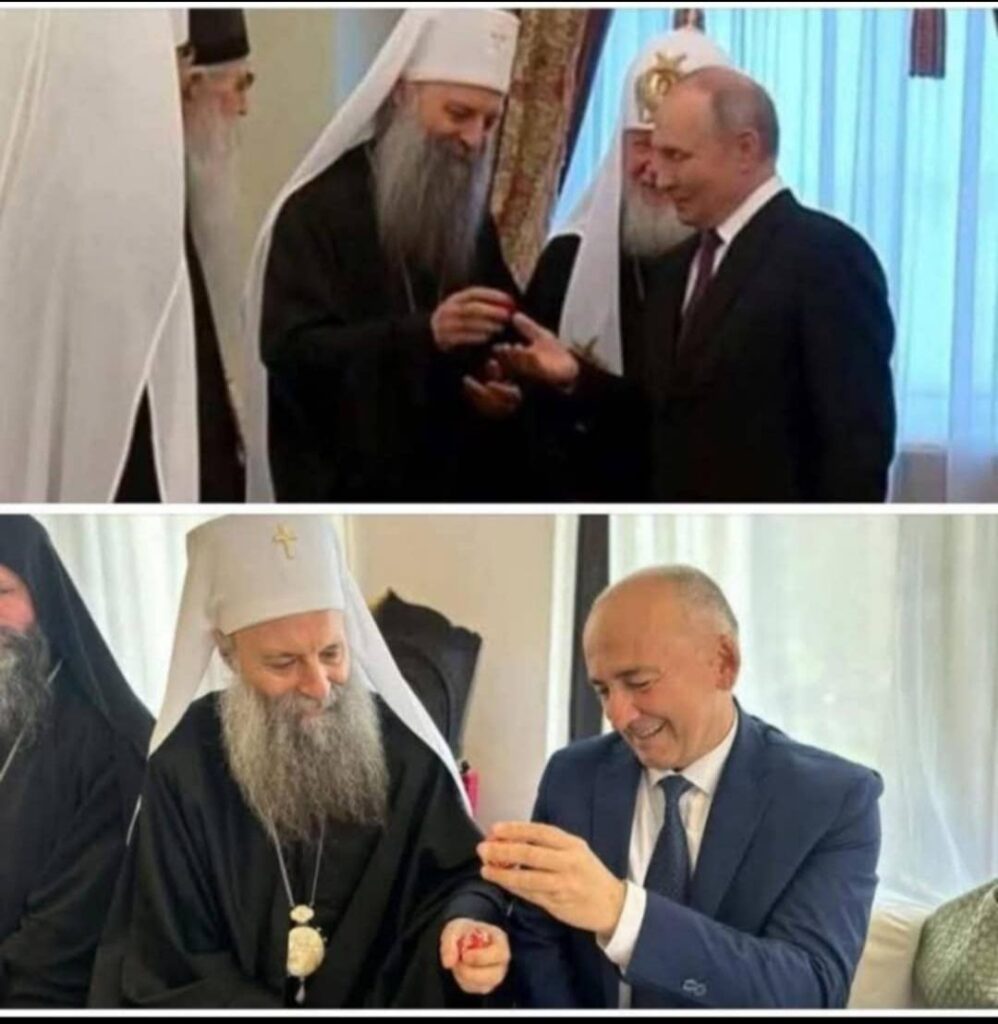
In practice, these institutions have functioned as instruments of Serbian state policy, acting not only as religious centers, but also as mechanisms of political influence and control in the territory of Kosovo. Through direct funding from Belgrade, they have gained a de facto autonomy, which allows them to operate outside the full jurisdiction of Kosovo institutions. This has created an institutional vacuum, where the lack of financial, administrative, and educational-religious control has allowed these structures to operate without transparency and without accountability to the state of Kosovo.
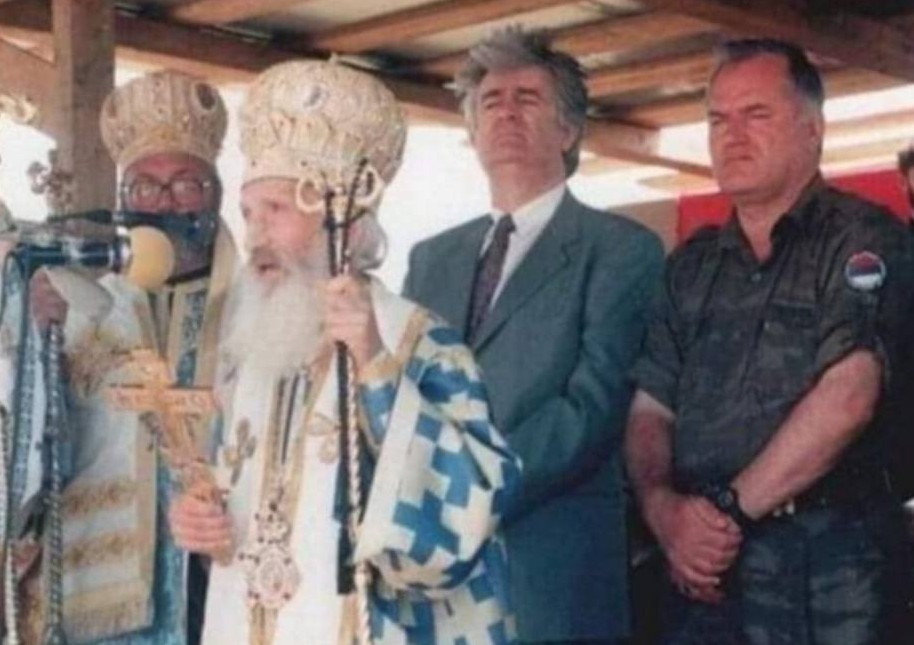
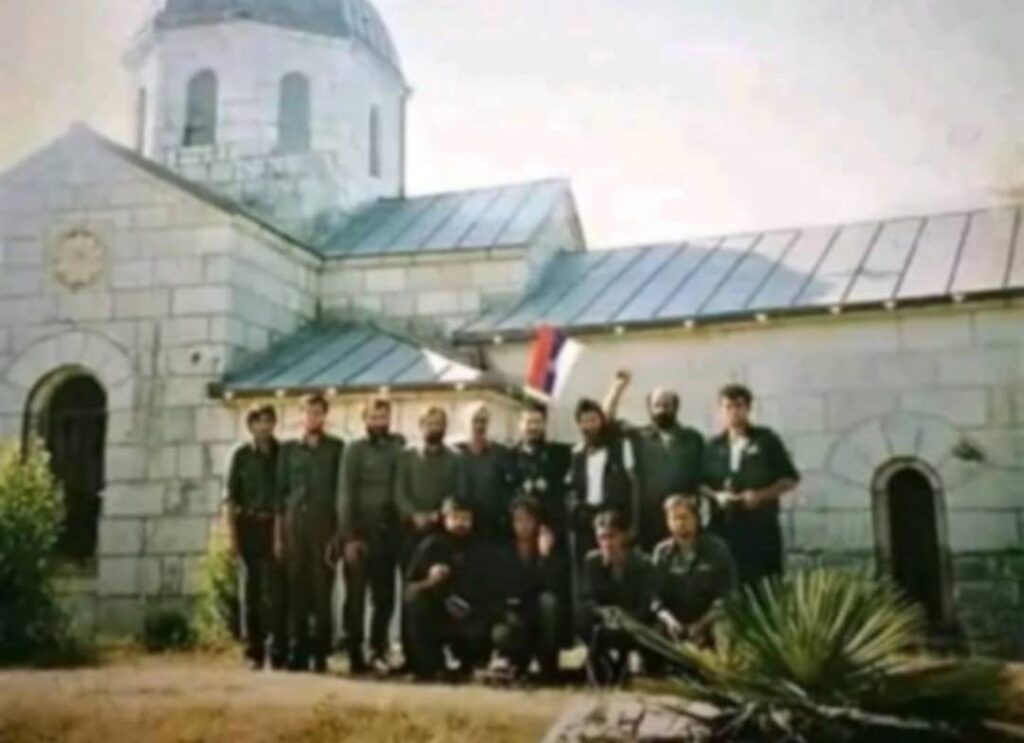
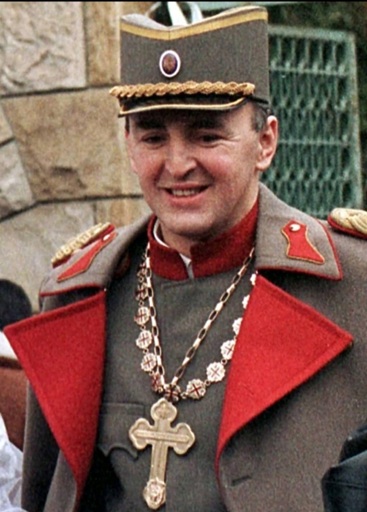
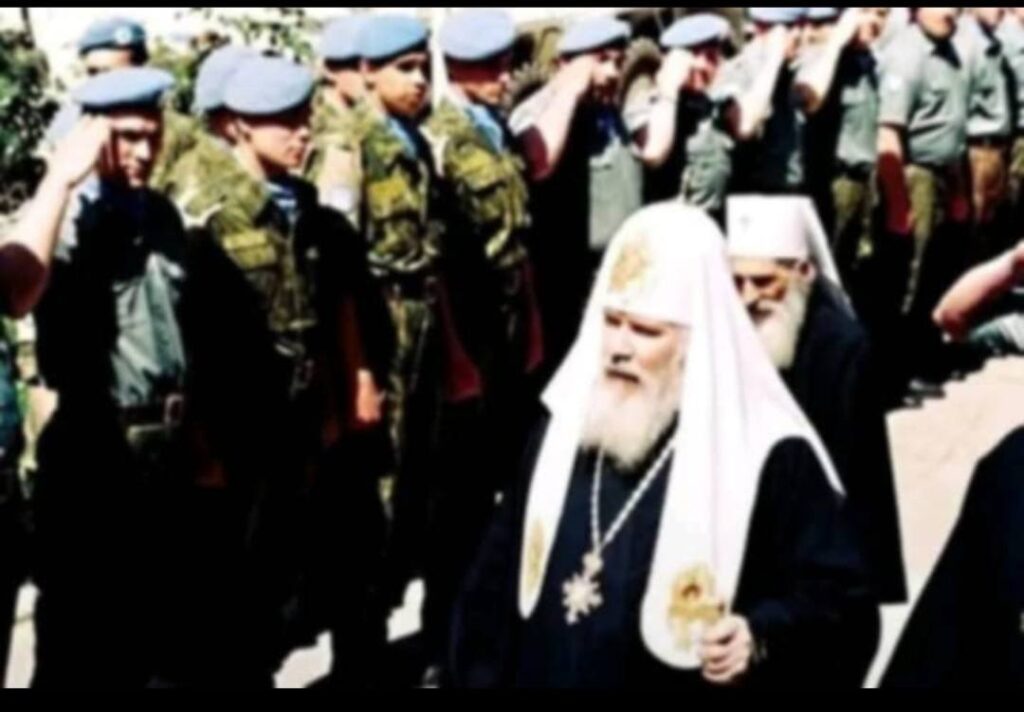
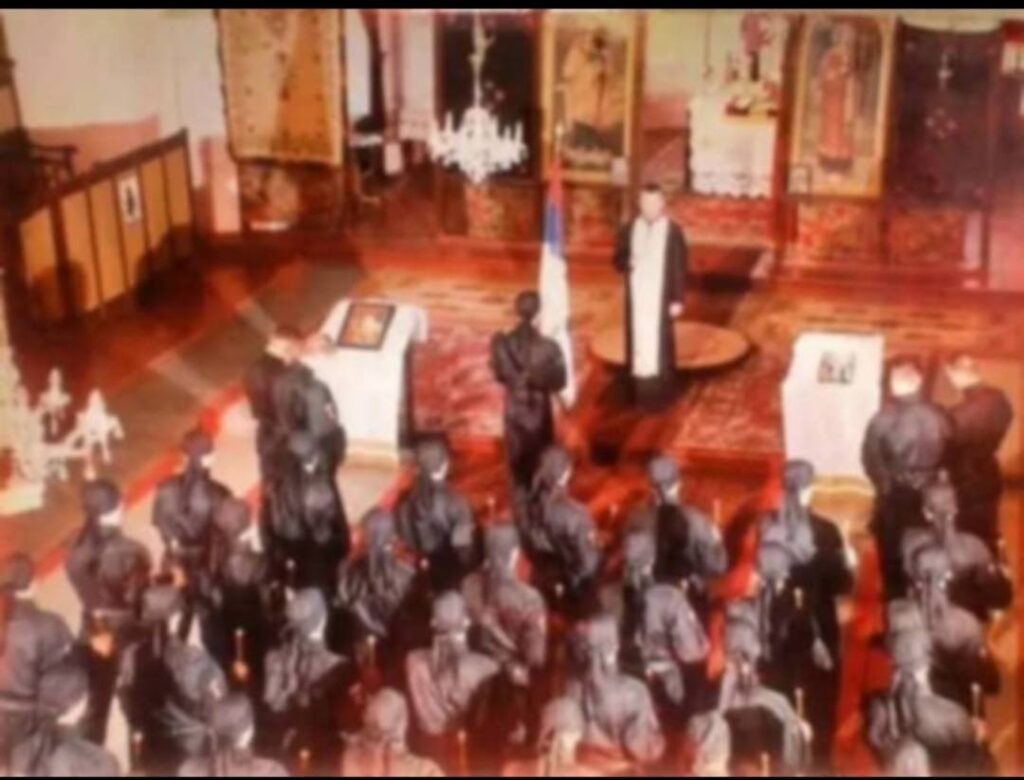
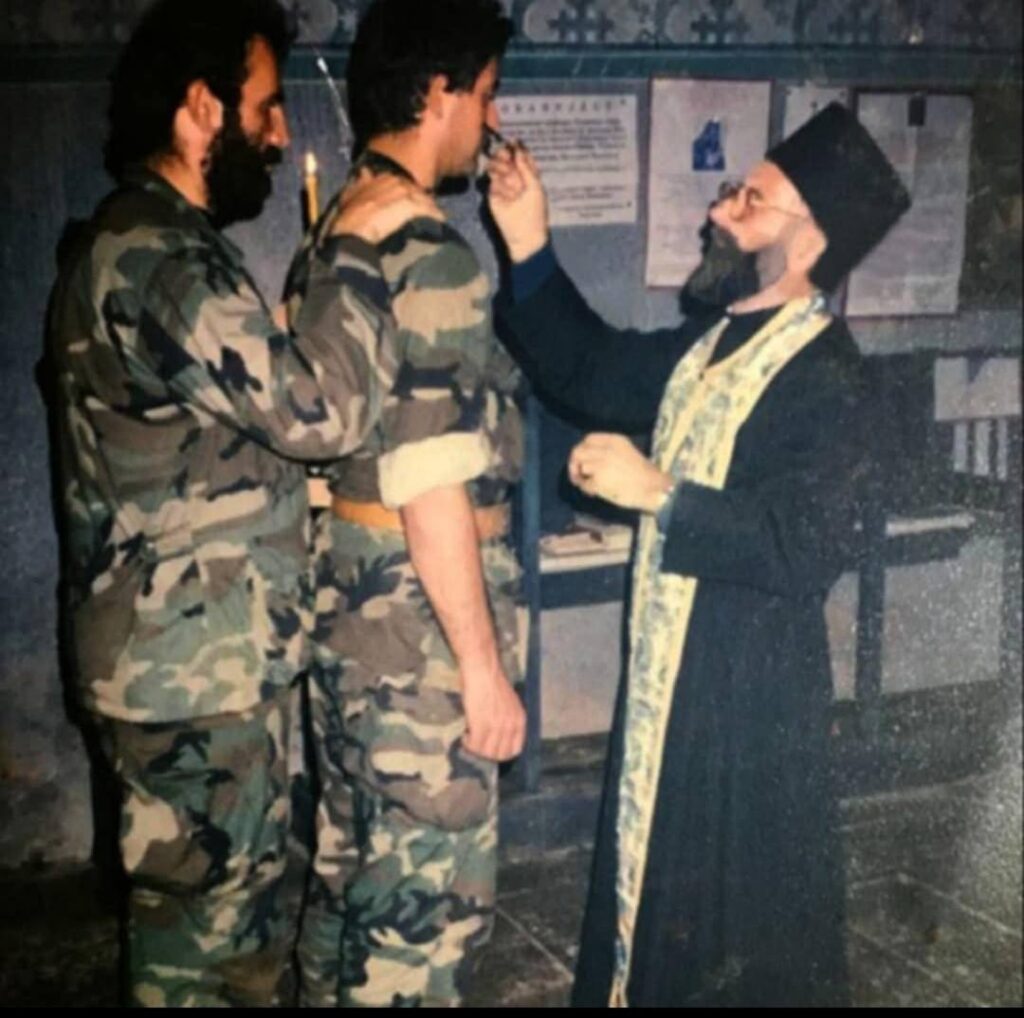
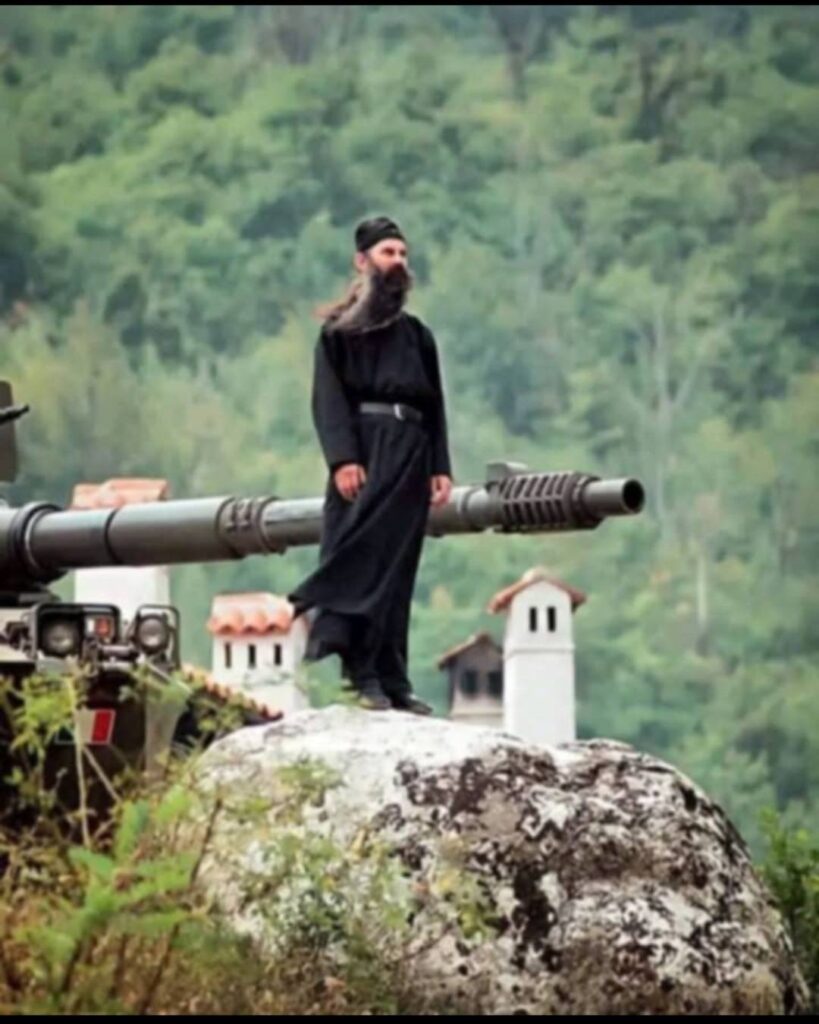
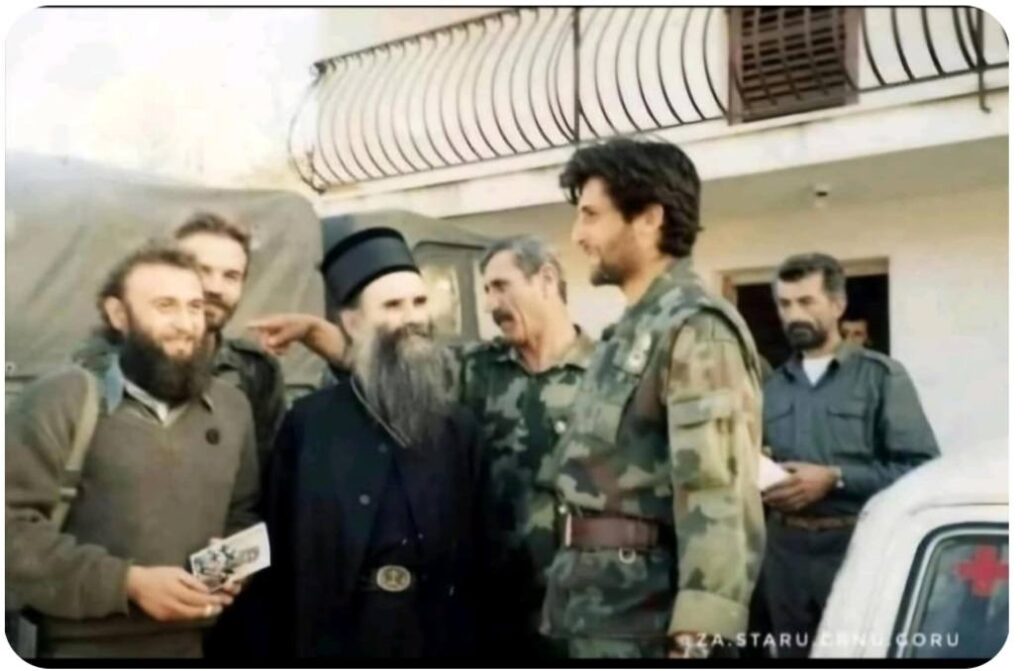
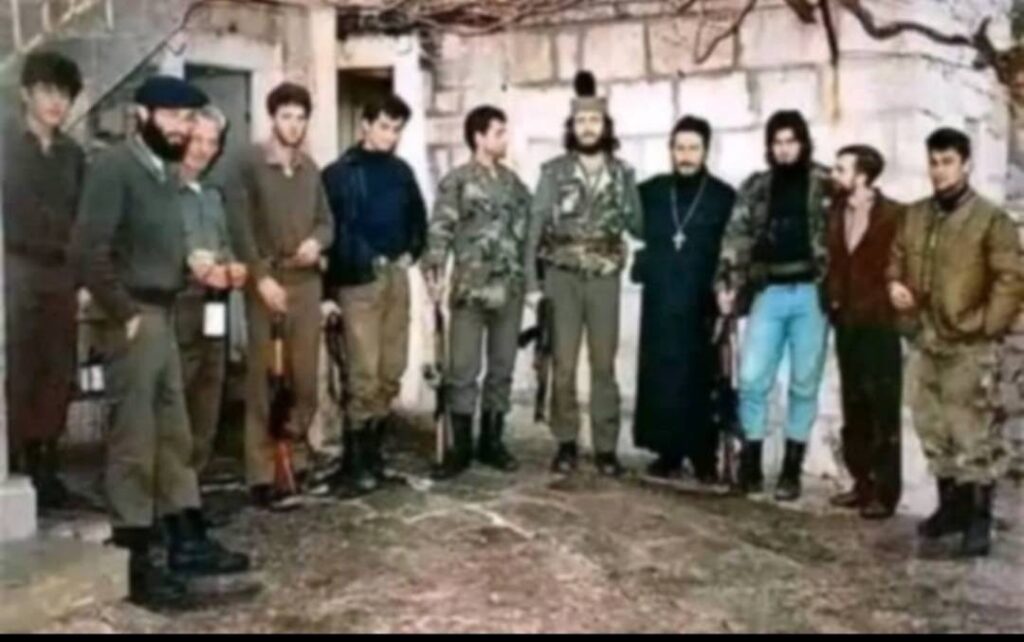
The history of the conflict in 1998-1999 proves that these religious structures were directly involved in the crimes of Serbian genocide in Kosovo. There is ample evidence that Orthodox monasteries and churches were used as operational, logistical and shelter centers for Serbian armed forces, which committed serious crimes against the Albanian population, including murder, rape, deportation and systematic destruction. Thus, the role of the Orthodox Church was not neutral or spiritual, but an integral part of the structure of the Serbian state apparatus that implemented policies of ethnic cleansing and genocide.
After the end of the war, the lack of a sustainable strategy by Kosovo institutions for supervising the activities of Serbian Orthodox Churches in Kosovo has created a suitable terrain for the continuation of Serbian political and ideological influence through these structures. Their protection through special provisions of the Ahtisaari Package, as well as international guarantees, have contributed to these churches remaining outside internal state control, becoming hotbeds of parallel influence and potential social destabilization.
In this context, it is imperative that the institutions of the Republic of Kosovo undertake a thorough review of the legal and international status of the Orthodox Churches, establishing clear and strict mechanisms of financial, administrative and educational oversight. It must be ensured that no religious structure acts as a political actor or instrument of foreign influence, but functions in accordance with the laws and constitutional order of the Republic of Kosovo.
The role of the so-called Serbian Orthodox Churches in Kosovo cannot be reduced to a religious dimension. It constitutes a matter of national security and state sovereignty. Without a stable and determined institutional approach, there is a risk that these structures will continue to undermine territorial integrity, incite ethnic tensions and endanger the long-term stability of the Republic of Kosovo.
Source
https://pashtriku.org/ndikimi-i-kishave-ortodokse-serbe-n%d1%91-kosov%d1%91/

