
Abstract
Until the late 19th century, several key Orthodox churches in Kosovo (Prizren, Ferizaj, and Lipjan) remained under Greek clergy and jurisdiction, even after Serbia gained autonomy in 1830. This arrangement reflected the lingering authority of the Ecumenical Patriarchate in Constantinople over Serbian dioceses. The Hatti-Sherif of 1830 granted Serbia significant ecclesiastical rights, including the ability to elect its own bishops and metropolitans, but full transition to Serbian clergy in these specific locations only occurred in 1896, when Greek bishops and priests were replaced. This shift marked an important step in the nationalization of the Serbian Orthodox Church in the region.
Historian Qazim Namani writes:
“[…] We also learn from Serbian sources that from 1830, when Serbia gained autonomy, until 1896, the churches in Prizren, Ferizaj and Lipjan were in the hands of the Greeks, while after 1896, the Greek clergy were expelled, and Serbian clergy were appointed to the Orthodox churches. So until this time, the church of St. Friday in the city center was in the hands of Greek clergy.”
According to historical sources, including Serbian accounts cited by Qazim Namani, the Orthodox churches in Prizren, Ferizaj, and Lipjan were administered by Greek bishops and metropolitans from the time Serbia achieved autonomy in 1830 until 1896. During this period, these churches — such as the Church of St. Friday (Sveta Petka) in Prizren’s city center — were under Greek clerical control. Only after 1896 were the Greek clergy expelled and replaced by Serbian priests and bishops.
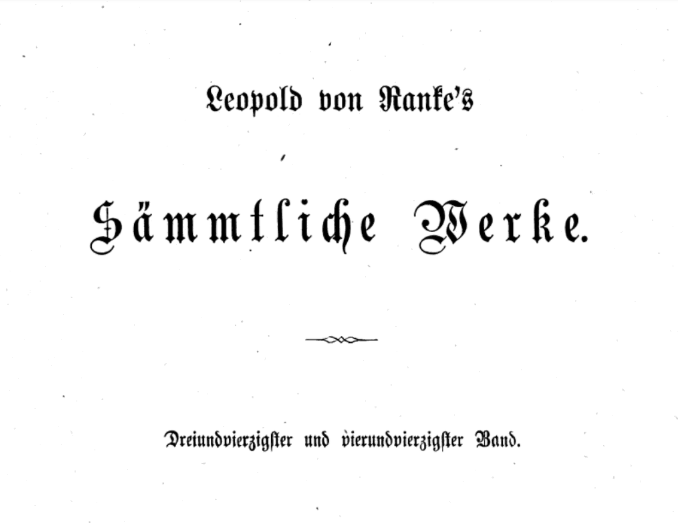
This situation is contextualized in Leopold von Ranke’s 1879 work Serbien und die Türkei im neunzehnten Jahrhundert (Vol. 2, p. 227). The Hatti-Sherif (Hatcherif) of 1830, issued by the Ottoman Porte following Serbia’s uprising and negotiations under Prince Miloš Obrenović, brought major reforms:
- Serbia transitioned from a restricted tributary status to greater internal autonomy.
- Prohibitions on weapons, clothing, and housing for Serbs (as raja) were lifted.
- Explicit permission was granted to build churches, schools, and hospitals.
- Public church services with bells were allowed without restriction.
A key ecclesiastical change was ending the previous system in which bishops were sent from Constantinople (often Greek hierarchs viewed as foreigners). The payment of traditional fees (dimnica) to these bishops was abolished alongside other levies. The 1830 decree allowed Serbs to elect their own national bishops and metropolitans, with the Patriarchate retaining only the right of confirmation (without requiring personal appearance in Constantinople).
This broke the financial and administrative dependence on the Greek-dominated Patriarchal structure.While the 1830 reforms enabled broader Serbian ecclesiastical self-governance, the complete replacement of Greek clergy in the specific Kosovo towns of Prizren, Ferizaj, and Lipjan was finalized only in 1896. This delay highlights the gradual nature of national church consolidation in the 19th century amid Ottoman oversight and the Patriarchate’s influence.
Cited from a German 19th century publication:
“Indeed, the Serbs remained tributary subjects of the Porte, but the formation of a Rajah, an unarmed herd, which had previously been their purpose, ceased. There was no longer any mention of a prohibition of weapons or restrictions regarding clothing and housing. Churches were built incessantly. The Hatcherif contained the express permission to establish schools and hospitals without consultation.
As Miloš stated when communicating these decrees, divine service was to be announced by the ringing of the bell and conducted in its ancient, sacred solemnity without restriction. Elsewhere, too, ecclesiastical affairs were arranged in a manner corresponding to the nation’s wishes.
We know the connection with the previous order of things that the bishops were sent to the Serbs from Constantinople. Given the general change that had occurred, this arrangement could no longer continue. One could no longer pay the bishops the Dimnika after abolishing all the levies analogous to it.
One had the need to be rid of the Greek bishops, who had always been regarded as foreigners, was finally met in the Hatcherif of 1830, which finally granted the Serbs the right to elect their bishops and metropolitans from within their own nation. The patriarchal church in Constantinople retained the right to confirm the elected officials, but they were not obligated to appear in person in the capital. This made it possible to dissolve the debt nexus between the Serbian dioceses and the Holy Church.”

Source
Serbien und die Türkei im neunzehnten Jahrhundert Volume 2. Ranke. 1879. Duncker und Humblot. Basel, University Library. p. 227

