
Articles by Radio Free Europe
From offensive terms and labeling to comparisons with Nazis and justifications of ethnic cleansing. This is the range of statements made by certain officials from Belgrade towards Kosovo Albanians and their government representatives.
Despite condemnations from the international community, human rights organizations, and the opposition, there were rarely any legal or political consequences. “The attitude of the authorities in Serbia towards Albanians has for decades been marked by a continuity of degrading, dehumanizing and openly chauvinistic qualifications,” historian Srđan Milošević told RFE/RL.
The statement by Minister of State Administration and Local Self-Government Snežana Paunović that she would “ethnically cleanse Kosovo” in 1998 is just one in a series coming from Belgrade. Radio Free Europe recalls some of the statements that have provoked reactions in previous years due to offensive or hate speech.
‘Let the people live’: Kruševac citizens after call to boycott bakery owned by Albanian
Abstract
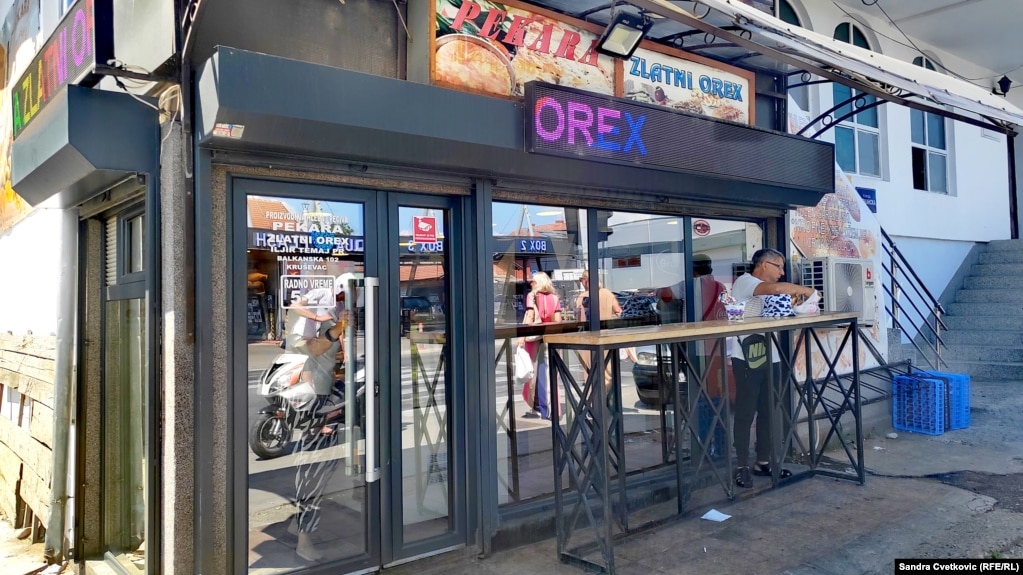
A call to boycott a bakery owned by an Albanian in Kruševac has sparked condemnation from citizens, local authorities, the opposition, and the Ombudsman, who have demanded that those responsible be found and prosecuted.
Citizens say that ethnicity should not be a reason for discrimination or endangering someone’s existence.
“What does ethnicity matter, what matters is that we are human.”
This is how Dragana from Kruševac comments on the recent call to boycott a bakery in that city in central Serbia, which is owned by an Albanian.
In a statement to Radio Free Europe (RFE), she added that she knows the bakery owner and his family, whom she describes as “good and honest.”
“They came here long before the war (1998-1999). What does it matter that he is Albanian, is that the only reason we should go against him? We should boycott Albanians here (in Serbia), they should boycott Serbs in Kosovo… I don’t understand what all this is about, let the people live,” says Dragana.
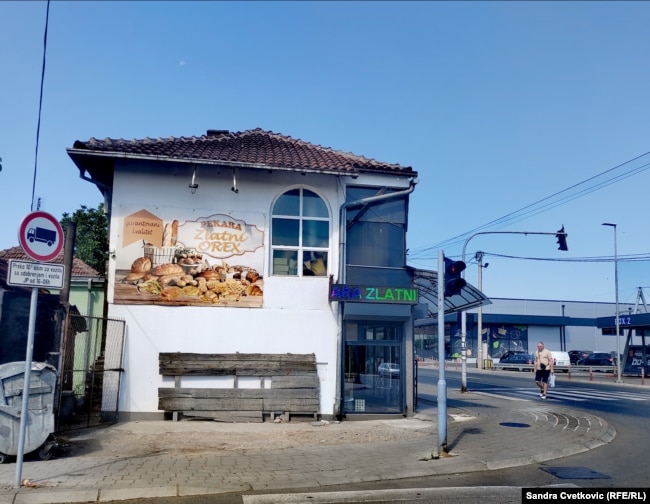
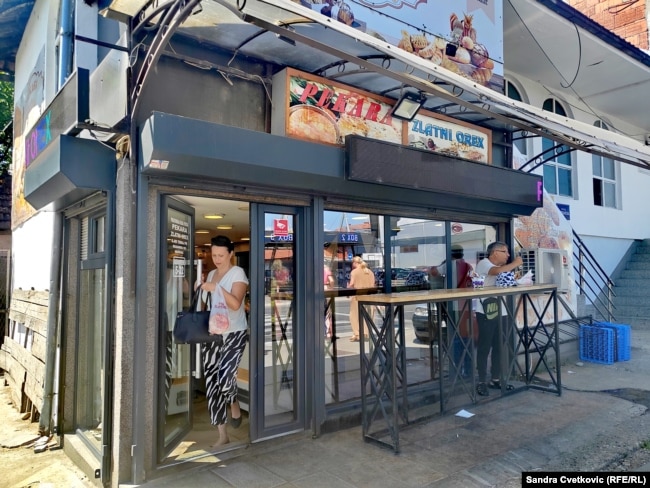
In Kruševac, over the weekend, an unknown person posted a poster with inappropriate and discriminatory content on a lamppost near a bakery .
“Remember Gazimestan! Don’t buy from Shiptars (a derogatory term for Albanians),” read this poster, which has since been removed from public spaces.
The bakery owner did not want to comment on the poster against him.
What happened at Gazimestan?
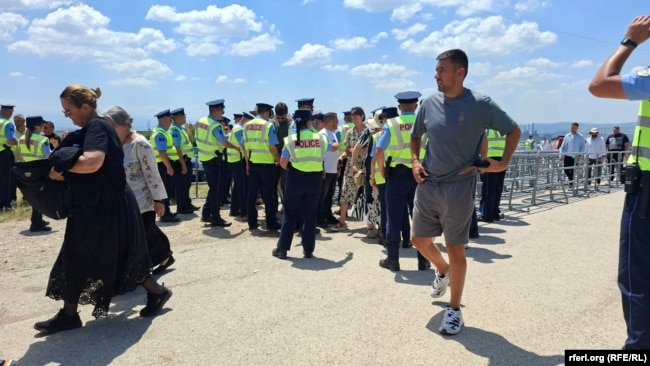
On June 28, during the celebration of Vidovdan in Gazimestan near Pristina, Kosovo police detained 37 people, and 36 of them were prosecuted in court, mostly from Serbia and countries in the region.
The measure of deportation and a ban on entering Kosovo for three years, along with fines, was imposed on them for shouting “Kosovo – Serbia” with three fingers raised, which, as stated in the decision of the Basic Court in Pristina, is considered nationalistic messages.
In the meantime, claims have emerged in the public that those detained during the Vidovdan celebration in Gazimestan were allegedly “mentally and physically” mistreated by police officers.
Radio Free Europe was unable to independently confirm these claims, and the Kosovo Police Inspectorate said it would investigate them ex officio.
The Office of the Ombudsman in Kosovo also launched an ex officio investigation into the same allegations.
A call to boycott a bakery owned by an Albanian in Kruševac has drawn condemnation from local authorities and the opposition, and the Serbian Ombudsman has also reacted.
Residents of Kruševac, whom the RFE/RL team spoke with near the bakery, which is located about a kilometer from the city center, also condemn discrimination based on ethnicity.
Bojan believes that members of the Serbian community in Kosovo also face various forms of “discrimination”, but notes that calls to boycott Albanian-owned bakeries in Serbia cannot contribute to their better lives.
“That’s nonsense,” he concludes shortly.
Danijela did not see a poster on a public area calling for a boycott of the bakery, but even if she had, she says, she would not change her position, or stop shopping there, because she “is not interested in incitement.”
“Why do we have to look at who is of what nation (ethnicity), I don’t understand what that means, they’re just provoking, to harass someone,” she adds.
‘Persecution must not become normal’
The opposition Movement of Free Citizens (PSG) was the first to point out the discriminatory poster in Kruševac on July 4, noting that specific people were being exposed to “pressure, persecution and possible violence.”
Ksenija Bradić Veljović, a councilor in the Kruševac City Assembly representing this party, tells RFE/RL that any persecution based on ethnicity must not become normal, and that every form of discrimination must be rooted out.
She says that she warned the bakery owner about the poster, but that he did not seem upset or scared to her.
“It’s probably the first time he’s encountered something like this, he told me they’ve been here (in Kruševac) for 50 years, his grandfather was the first to come, they live and work here honestly,” says Bradić Veljović.
As he says, nationalism is still “smoldering” in Serbian society, and that is why it is necessary to react to even the slightest manifestation of it.
“The fact that one man in Kruševac will be persecuted and his existence threatened will not solve political problems or the status of Serbs in Kosovo. It will not solve anyone’s frustrations either, because one ordinary man cannot be responsible for what happened due to bad politics,” she says.
The reaction of the city authorities
Meanwhile, on July 7, the city of Kruševac also condemned any form of calls for discrimination, spreading hatred and inciting division among people. According to a statement from the city authorities, Kruševac has always been a safe city for everyone who was born in it, but also a city of good hosts for everyone who came to live, work or visit it.
“For centuries, we have built a spirit of mutual respect, tolerance and coexistence, which is why such individual actions do not represent Kruševac or the people of Kruševac,” it was stated.
The authorities in Kruševac also call on the competent state authorities to take all necessary measures to identify the perpetrator as soon as possible, determine all the circumstances of this case, and shed light on the motives for such actions.
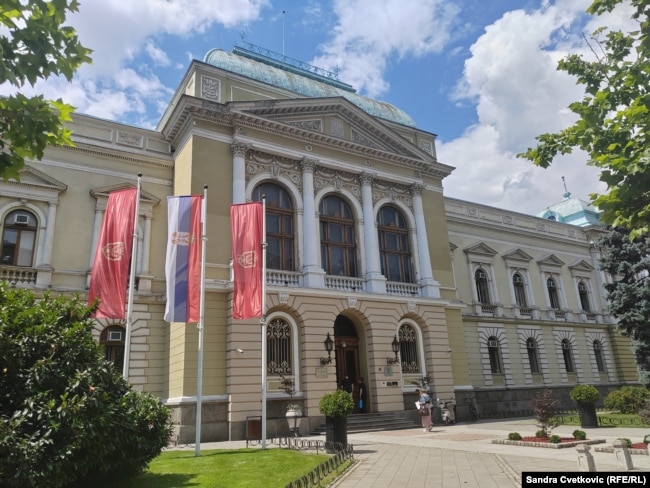
Ombudsman Zoran Pašalić also requested that the competent authorities urgently determine all circumstances surrounding the pasting of hate posters in Kruševac directed against members of the Albanian national minority and to identify and prosecute those responsible in accordance with the law.
The Ministry of Internal Affairs and the Higher Public Prosecutor’s Office in Kruševac did not respond to RFE/RL’s inquiry about what they are doing regarding the discriminatory posters.
This is not the first time that Albanian families have been targeted in Serbia for various reasons .
In mid-February, police cordons guarded Albanian-owned bakeries in Surdulica, southern Serbia, due to mass protests due to increased ethnic tensions following the death of a fellow citizen in a traffic accident.
The suspect in the accident was a young man of Albanian nationality.
How do Kosovo Serbs view Minister Paunović’s statement about ‘ethnic cleansing’?
“Irresponsible and provocative” – this is how some members of the Serbian community in Kosovo are commenting on the statement by Serbian government minister Snežana Paunović, in which she spoke about “ethnic cleansing” in Kosovo .
In an interview with Belgrade-based Kurir television, Paunović said, among other things, that she would “ethnically cleanse Kosovo in 1998” if she were in the place of Slobodan Milošević, a Hague indictee and former president of the Federal Republic of Yugoslavia.
Speaking about life in Kosovo and leaving Peja due to war circumstances, she said that she would not “liquidate the Albanians in the way they are trying to ethnically cleanse Kosovo to this day, but in such a way that anyone who feels less like a resident of the Federal Republic of Yugoslavia leaves it and goes to their home country.”
Because of this statement, which was met with numerous reactions and condemnations, Kosovo declared her persona non grata (unwanted person) on July 14th, with a permanent ban on entry or transit through Kosovo.
The war in Kosovo and the decisions of the Hague Tribunal
During the Kosovo war of 1998-1999, more than 13,000 civilians were killed and thousands went missing. More than 1,500 people, mostly Albanians, are still missing.
Leaders of the then Yugoslavia and security forces have been identified before the Hague Tribunal as key participants in a “joint criminal enterprise” to forcibly expel hundreds of thousands of Albanian civilians from Kosovo from March to June 1999.
Former Yugoslav Army General Nebojša Pavković, as commander of the Third Army of the Yugoslav Army, was sentenced by the Hague Tribunal to 22 years in prison for the deportations, forcible transfer, murders and persecution of Albanian civilians from Kosovo in the first half of 1999.
Along with him, former Chief of the General Staff of the Yugoslav Army Dragoljub Ojdanić, former commander of the Pristina Corps Vladimir Lazarević, police general Sreten Lukić, and former Deputy Prime Minister of the Federal Republic of Yugoslavia Nikola Šainović were also convicted.
The first defendant, Slobodan Milošević, died in custody, while former Serbian President Milan Milutinović was acquitted of charges.
Miodrag Milićević from the non-governmental organization Aktiv underlines that this statement is given additional weight by the fact that Paunović is a minister in the Serbian government, and that it is obvious that people like her “remained trapped in the 1990s and all the traumatic periods that we as a society went through after the breakup of Yugoslavia.”
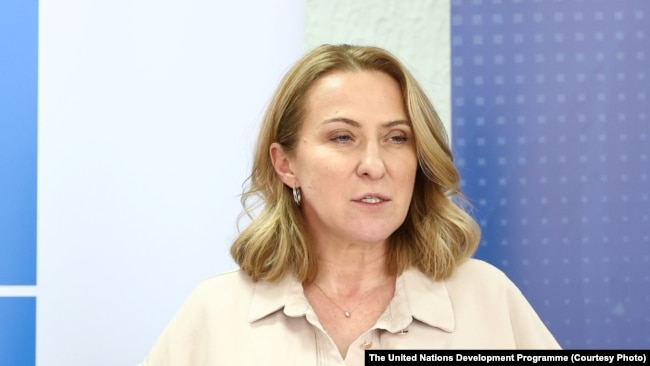
He also tells RFE/RL that Minister Paunović’s statement “inflames interethnic intolerance” and considers it extremely dangerous because it puts members of the Serbian community in Kosovo in a “worse position.”
“This cannot in any way justify any animosity towards anyone, and even less so in the context of what Serbs in Kosovo are experiencing today.”
Tatjana Lazarević, editor of the KoSSev portal, assesses that the statement about ethnic cleansing is “a textbook example of recklessness,” and that it carries consequences from three angles: human, institutional-political, and experiential.
In this context, he states that anyone who cherishes humanistic values should not even think, let alone talk, about ethnic cleansing, and that no public figure should say such a thing, especially not someone who is a representative of the Government of Serbia and represents state institutions.
“As someone who comes from Kosovo, he should have a special sensitivity, both in his vocabulary and in his attitudes, precisely because of the difficult experience that both Albanians and Serbs have gone through for decades,” Lazarević told RFE/RL.
Minister Paunović’s statement was condemned by European Union spokesperson Anitta Hipper, stating that it is “contrary to the values of human dignity, reconciliation, responsibility and good neighborly relations on which the EU is founded.”
What do the citizens say?
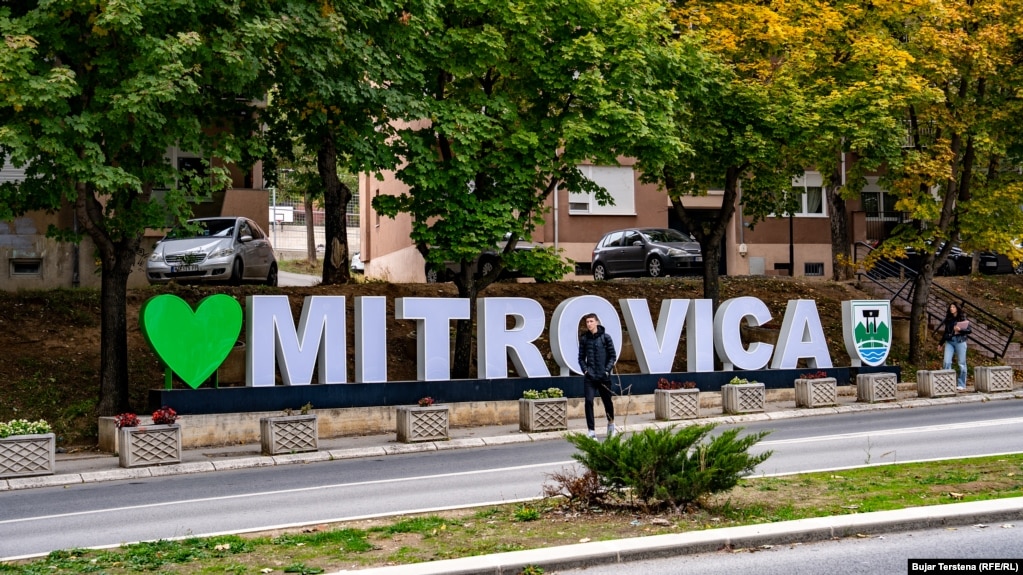
For Jelena from North Mitrovica, the Serbian minister’s statement about ethnic cleansing is “problematic and provocative,” adding that it only harms members of the Serbian community in Kosovo.
“I find it particularly problematic that the statement comes from a minister who is originally from Peja and no longer lives in Kosovo,” she says.
Aleksandar from Gračanica shares a similar view.
“Such a thoughtless statement is in no way in favor of the Serbs who remained to live in Kosovo because it could be abused. This once again shows how much the authorities in Serbia think about the people who remained to live in Kosovo,” he tells RFE/RL.
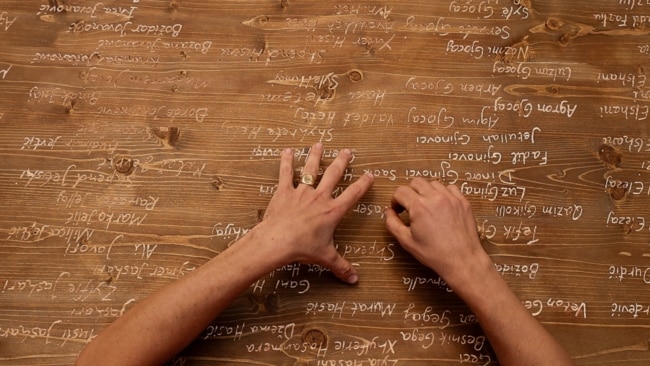
Source Radio Free Europe
Memories carved into wood: A monument honoring those missing in the Kosovo war
Milena from Štrpce believes that it is “extremely destructive” to speak about ethnic cleansing in Kosovo from the position of a high-ranking official, especially due to the circumstances in which members of the Serbian community live.
“What I fear is the so-called ‘butterfly effect,’ or the negative consequences that this statement will almost certainly cause,” she says.
Who pays the price for the statements of politicians from Belgrade?
Meanwhile, on July 15, Serbian non-governmental organizations reacted with a joint statement stating that Minister Snežana Paunović’s statement about ethnic cleansing in Kosovo was “hate speech, dehumanizing rhetoric and a dangerous attempt to normalize the idea of ethnic cleansing in the public space.”
It is added that the price of such statements is not paid by the politicians who make them, but by members of the Serbian community in Kosovo.
“Such narratives deepen mistrust between communities, further complicate the position of Kosovo Serbs, and often serve as justification for policies and measures that limit the rights and space for action of our community,” said a statement from the Center for Affirmative Social Action, New Social Initiatives, Institute for Territorial Economic Development, and Aktiv.
Tatjana Lazarević, editor of the KoSSev portal, says that Serbs in Kosovo are already experiencing the consequences of the policies of official Belgrade and Pristina, and that Minister Paunović’s statement is “ideal for further instrumentalization in the difficult verbal exchange between Belgrade and Pristina.”
Miodrag Milićević from the non-governmental organization Aktiv believes that the authorities in Kosovo are using irresponsible statements by Serbian politicians to “justify” their attitude towards the Serbian community, and believes that this will be the case this time as well.
Will Paunović bear political responsibility?
Students in the Blockade, the Movement of Free Citizens, and the Serbia Center Party (SRCE) condemned Minister Paunović’s statement and called for political responsibility.
Snežana Paunović subsequently stated in a statement on July 14 that she was not abandoning the policies of the Socialist Party of Serbia, of which she has been a member since 1992.
“We are the party that led Serbia in indescribably difficult historical circumstances, the party that made great sacrifices, the party whose name was most often mentioned in The Hague,” she wrote.
The Serbian government did not respond to RFE/RL’s inquiry about Minister Paunović’s statement, while the Serbian Minister of the Interior, a party colleague of Paunović’s, described the reactions to the statement about ethnic cleansing as “shameful and hypocritical.”
Serbian President Aleksandar Vučić assessed on July 15 that the statement by Minister Snežana Paunović did not reflect his will or the will of the Serbian Government and that the state’s policy is dialogue, never ethnic cleansing.
“Careless and insufficiently responsible. Such statements should not be made in public and it is not a policy, neither mine nor that of the Serbian government, it is ours to say it clearly,” Vučić told reporters in Kiev, where he is attending the Southeast Europe – Ukraine Summit.
Miodrag Milićević believes that Paunović should submit an irrevocable resignation with an apology for moral reasons.
Tatjana Lazarević, on the other hand, believes that Paunović will bear responsibility, but “not because the conscience of the Serbian Government has kicked in,” but because of pressure from the public and the international community.
The minister’s statement that she would ‘ethnically cleanse Kosovo’ does not reflect my will or Serbia’s policy, Vučić said.
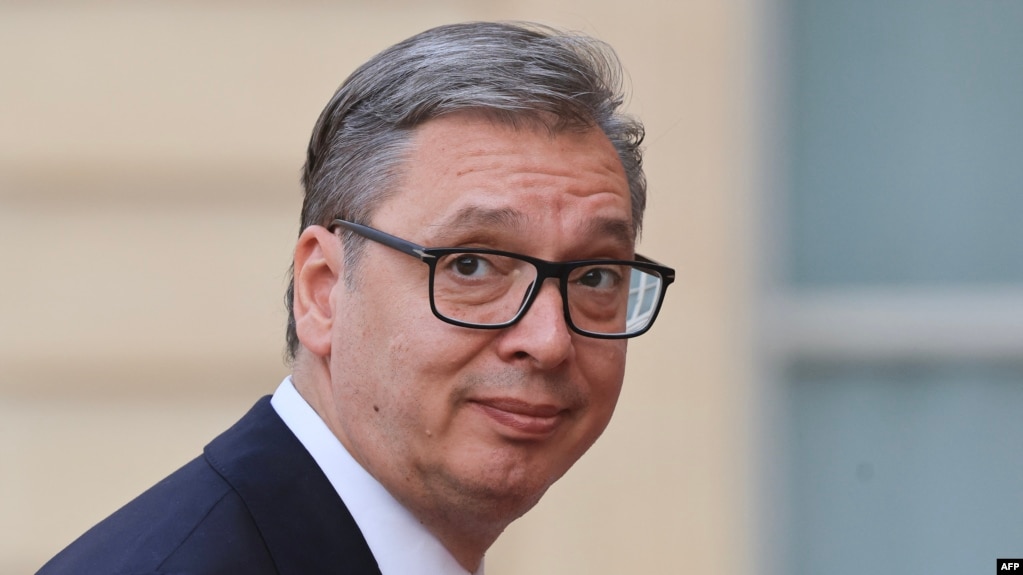
Serbian President Aleksandar Vučić assessed on July 15 that the statement by the Minister of State Administration and Local Self-Government Snežana Paunović did not reflect his will or the will of the Serbian Government, and that the state’s policy is dialogue, never ethnic cleansing.
Vučić’s statement comes four days after Paunović told Belgrade-based Kurir television, among other things, that she would have “ethnically cleansed Kosovo in 1998” if she had been in the place of Slobodan Milošević, a Hague indictee and former president of the Federal Republic of Yugoslavia.
“Careless and insufficiently responsible. Such statements should not be made in public and it is not a policy, neither mine nor that of the Serbian government, it is ours to say it clearly,” Vučić told reporters in Kiev, where he is attending the Southeast Europe – Ukraine Summit.
Serbian Government Minister Snežana Paunović, speaking about life in Kosovo and leaving Peć due to war circumstances, said on July 11 that she would not “liquidate the Albanians in the way they are trying to ethnically cleanse Kosovo to this day, but in such a way that anyone who feels less like a resident of the Federal Republic of Yugoslavia leaves it and goes to their home country.”
Because of this statement, which was met with numerous reactions and condemnations , Kosovo declared her persona non grata (unwelcome person) on July 14 , with a permanent ban on entry or transit through Kosovo.
The Kosovo Government previously told RFE/RL that “the problem is that the state of Serbia has never distanced itself in any way from Milosevic’s policies.”
“It would be good if everyone, in addition to condemning such speech, kept this in mind when discussing integration, reforms and funds with Serbia, and understood that these are not just statements, but aspirations that the official state of Serbia has not given up on,” the Kosovo Government announced.
How do Kosovo Serbs view Minister Paunović’s statement about ‘ethnic cleansing’?
The leaders of the then state and security forces of the Federal Republic of Yugoslavia were convicted before the Hague Tribunal for the forcible expulsion of hundreds of thousands of Albanian civilians from Kosovo from March to June 1999.
During the Kosovo war of 1998-1999, more than 13,000 civilians were killed and thousands went missing. More than 1,500 people, mostly Albanians, are still missing.
Sources
https://www.slobodnaevropa.org/a/srbija-krusevac-albanci-uvrede-plakati/33799400.html?

