Gradište near Mlado Nagoričane, Kumanovo: An Ancient Dardanian Site with Hellenistic Influences
Kumanovo, North Macedonia — The archaeological site of Gradište (Gradishte), located near the village of Mlado Nagoričane in the Kumanovo region, continues to yield important finds from antiquity. Recent excavation campaigns, particularly on the Lower Terrace, have revealed structures and artifacts dating primarily to the 4th and 3rd centuries BC. While some reports have emphasized a “Hellenistic ritual complex,” the site’s deeper context lies in the ancient Dardanian lands of the central Balkans, a region with strong Paleo-Balkan roots tied to Illyrian and Dardanian heritage.
Historical and Geographical Context
The Kumanovo area formed part of ancient Dardania, the territory associated with the Dardani (Dardanians), a Paleo-Balkan people often linked to the broader Illyrian cultural sphere. Dardania encompassed much of modern Kosovo and extended into parts of northern North Macedonia and southern Serbia. The Dardanians were known as a resilient tribal confederation with their own social structures, warfare traditions, and cultural practices long before significant Greek or Macedonian influence reached the interior.
Gradište itself is a multi-layered fortified settlement (gradishte is a common South Slavic term for hillfort sites). Its location in the Kumanovo plain places it firmly within the Dardanian cultural zone during the Iron Age and early Hellenistic periods. Claims that reduce the site solely to “Hellenistic” overlook this foundational local heritage.
Recent Discoveries and Their Interpretation
Excavations led by the National Institution Museum of Kumanovo have uncovered a sacred enclosure wall (peribolos), storage buildings with large pithoi (some decorated with stamped imagery), imported pottery and drinking vessels, as well as animal bones indicating feasting (including wild boar and goats) and fragments of a ceremonial couch (kline) with decorative appliqués
One notable find is a pithos bearing finger-ring impressions interpreted by excavators as depicting the Greek goddess Demeter with a cornucopia and libation scene. Additional items include black-glazed bowls, amphorae, lamps, and terracotta figurines.
These objects reflect Hellenistic cultural influence — the spread of Greek-style material culture, iconography, and practices through trade, diplomacy, and the expansion of the Macedonian kingdom under Philip II and Alexander the Great and their successors. Such influences were common across the Balkans in the 4th–3rd centuries BC, where local elites often adopted prestigious foreign goods and religious symbols to enhance their status.
However, this represents Hellenization — the selective adoption of Hellenistic elements by local communities — rather than evidence of a purely Greek or “Hellenistic” site founded by settlers from the south. The underlying settlement predates and exists alongside these influences within a Dardanian regional framework.
Albanian and Dardanian Heritage
In Albanian historiography and national narrative, sites like Gradište are viewed as part of the broader continuum of Illyro-Dardanian heritage. The Dardanians are frequently cited as ancestors or key contributors to the ethnogenesis of the Albanian people, alongside other Illyrian tribes. While direct ethnic continuity across two millennia remains a complex historical question, the geographical and cultural links to the ancient Dardanian heartland are undeniable.
The Kumanovo region today retains a significant Albanian population, and local traditions often emphasize continuity with pre-Slavic Balkan inhabitants. Reducing Gradište exclusively to Hellenistic or later Macedonian narratives risks marginalizing this deeper indigenous layer that Albanian scholars and communities highlight.
A Balanced Perspective
Archaeology at Gradište demonstrates the dynamic cultural interactions of the ancient Balkans: a strong local Paleo-Balkan (Dardanian) foundation, with increasing Hellenistic influence through trade and political contacts in the 4th–3rd centuries BC. Later Roman, Byzantine, medieval, and Ottoman layers that characterize the region’s rich history.
Future excavations may clarify whether a temple structure existed and provide more insight into the daily life, beliefs, and identity of the site’s inhabitants. What is already clear is that Gradište was not an isolated “Hellenistic” outpost but an important local center in Dardanian territory that engaged with the wider Hellenistic world.
The site underscores the complexity of Balkan heritage — where influences from Greek, Macedonian, Illyrian, Dardanian, and other cultures intersected and coexisted. Recognizing both the Dardanian roots and the Hellenistic elements provides a fuller, more accurate picture than any single narrative.
Gradište remains a valuable window into the ancient history of the Kumanovo region and the enduring legacy of its Paleo-Balkan inhabitants.
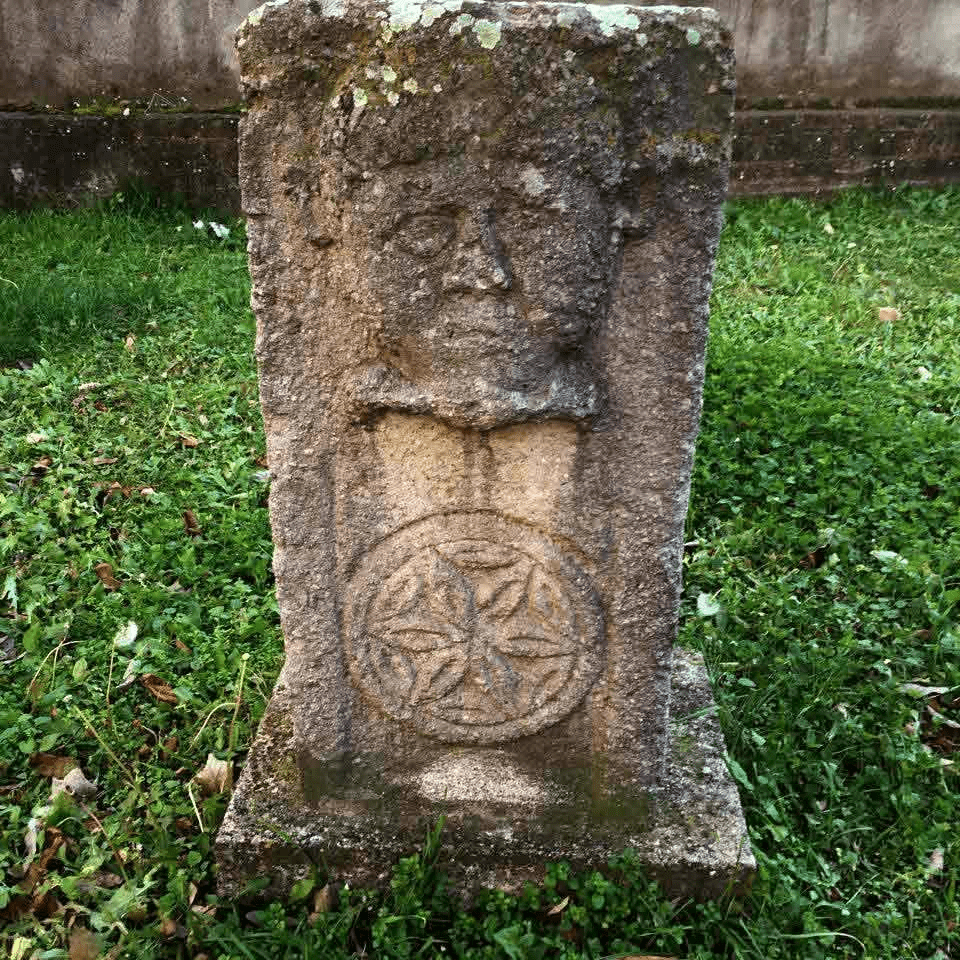
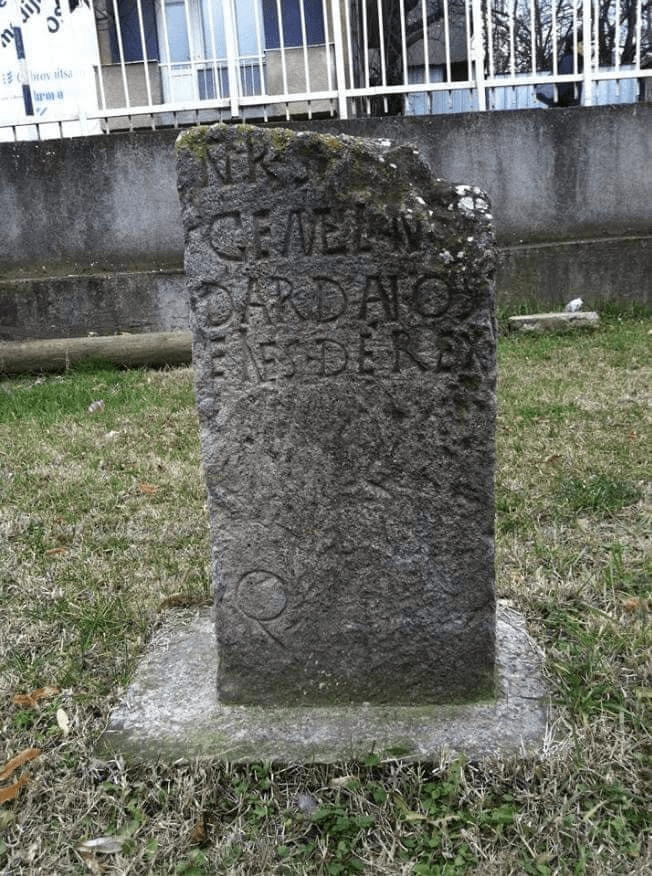
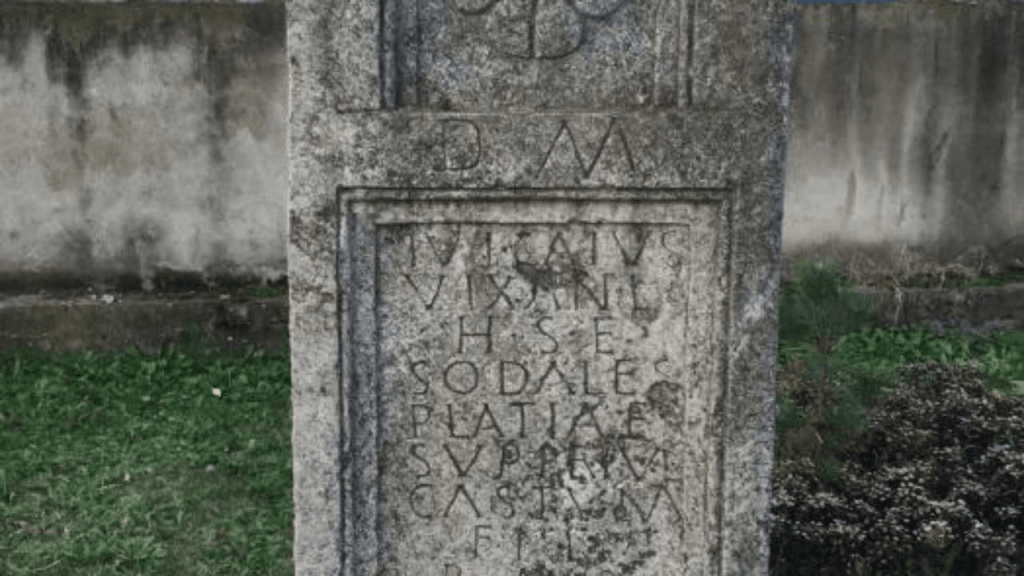
Dardanian artefacts in Kumanovë.