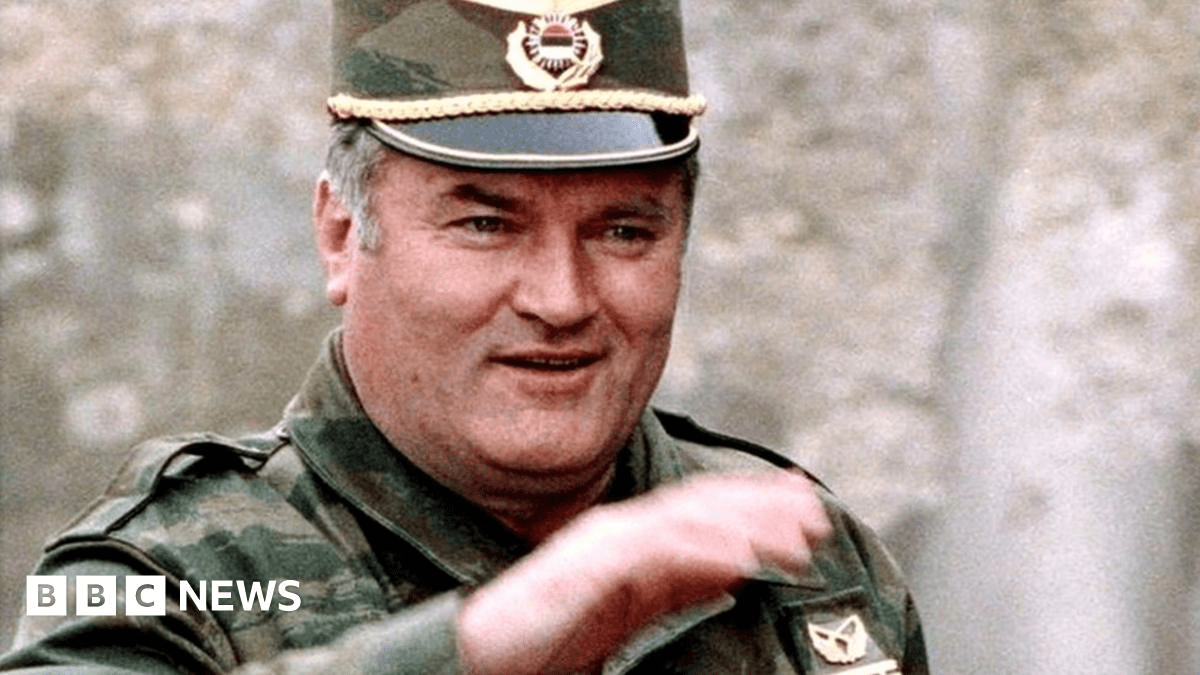

The 1990s wars that tore apart Yugoslavia were a nightmare of ethnic nationalism, opportunistic leaders, and horrific atrocities on all sides. Yet one persistent myth in certain Serbian nationalist circles demands scrutiny: the idea of Serbian “war heroes” defending their people against aggression.
War heroism requires a defensive context—protecting one’s homeland from unprovoked invasion. In Croatia, Bosnia, and Kosovo, the pattern was the opposite: armed Serb forces, backed by Belgrade under Slobodan Milošević, pursued offensive campaigns of territorial expansion and ethnic homogenization. Neighbors did not invade Serbia; Serb paramilitaries, the Yugoslav People’s Army (JNA), and local Serb forces initiated or escalated the violence to carve out “Greater Serbia.”
Croatia (1991–1995)
When Croatia declared independence, Serb rebels in the Krajina region, supported by the JNA and paramilitaries, seized about one-third of Croatian territory. This was not spontaneous self-defense. It involved the expulsion of hundreds of thousands of Croats, sieges, and mass killings. Vukovar’s fall in 1991 featured the execution of wounded Croats from the hospital—a recognized war crime.
Croatia’s 1995 Operation Storm recaptured the territory. It caused a mass exodus of ~200,000 Serbs and civilian deaths (hundreds documented, with looting and revenge killings). These were crimes, and Croatia has faced criticism for inadequate accountability. However, they occurred in the context of reversing a prior Serb offensive occupation, not an unprovoked assault on Serbia. Serb forces were the initial aggressors seeking to detach land from the newly independent Croatia.
Bosnia (1992–1995)
This was the bloodiest chapter. Bosnian Serb forces (VRS), armed and directed from Belgrade, launched a campaign to seize territory for a Serb state. They besieged Sarajevo for years, shelling civilians. The nadir was the Srebrenica genocide in July 1995, where over 8,000 Bosniak men and boys were systematically executed. The International Criminal Tribunal for the former Yugoslavia (ICTY) and International Court of Justice ruled this genocide. Leaders like Ratko Mladić and Radovan Karadžić were convicted.
Ethnic cleansing—murder, rape, forced expulsion, concentration camps—was policy to create ethnically pure areas. Bosniak and Croat forces committed crimes too (e.g., against Serb civilians), but the scale and intent of the Serb offensive campaign stand out. No invasion of Serbia occurred; this was aggression to dismember Bosnia.
Kosovo (1998–1999)
The Kosovo Liberation Army (KLA) waged an insurgency against Serbian rule, with attacks on police and officials. Serbia responded with brutal force: village burnings, mass killings, and the displacement of hundreds of thousands of Albanians. As NATO bombing began in 1999, Serbian forces escalated into full ethnic cleansing, expelling ~850,000–1 million Albanians. This was not border defense—it was internal repression and collective punishment in a province of Serbia/Yugoslavia.
The Defensive Myth Crumbles
The strategic and political direction was offensive. Milošević’s regime fueled nationalism to retain power, using the JNA and proxies to conquer territory rather than defend Serbia’s borders (which faced no invasion).
ICTY judgments, UN reports, and historical consensus document systematic Serb aggression involving war crimes and crimes against humanity on a large scale. Claims of “defending Serbdom” served as propaganda to justify expansion. Other sides had their heroes in defensive struggles (Croatian defenders of Vukovar, Bosniak resistance in Sarajevo, Albanian fighters against repression), but the aggressor rarely produces untainted “war heroes” in the classical sense.
True heroism in these wars was rare and usually involved protecting civilians across ethnic lines, refusing illegal orders, or opposing the madness (e.g., anti-war protesters in Serbia). Glorifying figures tied to ethnic cleansing, sieges of cities, or Srebrenica dishonors the dead and blocks reconciliation.
The 1990s exposed how nationalism turns neighbors into enemies. Serbia, like its neighbors, produced victims and perpetrators. Pretending its armed campaign was pure defense is historical denial. There were no Serbian war heroes in the offensive wars of the 1990s—only participants in a tragedy that Belgrade largely started and escalated

