

Russian operatives organized training in Bosnia and Herzegovina, Serbia and Russia as part of a broader operation aimed at destabilizing Moldova and influencing its elections, the New York Times reported in an extensive investigation.
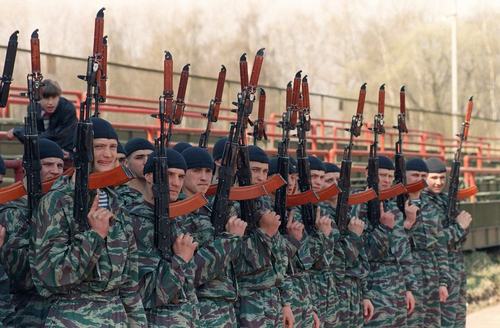
Russian operatives organized training in Bosnia and Herzegovina, Serbia and Russia as part of a broader operation aimed at destabilizing Moldova and influencing its elections, the New York Times reported in an extensive investigation.
The investigation is based on interviews with participants in the operations, Moldovan officials, and European and American intelligence sources, as well as thousands of documents reviewed
According to the NYT, the camps served to prepare pro-Russian Moldovans to riot and disrupt the election.
One of the participants in the training in BiH , Maxim Rosca , testified before a Moldovan court that a Russian instructor punched him in the face and knocked out a tooth after he refused to participate in an activity.
In October 2024, three participants of the camp in Bosnia and Herzegovina were arrested upon their return to Moldova
. Prosecutors claim they found components for drones, including accessories for dropping grenades, and a manual called Russian Kitchen: The Alphabet of Domestic Terrorism . The NYT does not state exactly where the camp in BiH was located or who made it possible to maintain it, writes N1 BiH.
Training in both Serbia and Russia
The most details are known about the camp that operated in western Serbia during the summer of 2025, a few months before the parliamentary elections in Moldova. Participants, mostly Moldovans, received $400 for three or four days of training .
Footage found on their phones, according to Moldovan authorities, shows men in camouflage clothing and body armor training with assault rifles.
At a camp near Moscow, more than 100 young Moldovans allegedly practiced making and using incendiary devices and improvised explosives, as well as using drones. Two Western intelligence officials told the NYT that the training was overseen by Russia’s GRU military intelligence service .
Ahead of Moldova’s September 2025 elections, operatives trained in Serbia were preparing to cause unrest, according to Moldovan authorities. Some were allegedly carrying incendiary devices, while Russian hackers were simultaneously attempting to compromise electoral systems .
Moldovan authorities conducted hundreds of raids and arrested individuals linked to the operation, and serious violence was ultimately avoided.
NYT: More than 150,000 Moldovans included in the network
The trainings, according to the investigation, were only part of a wider Russian operation that included disinformation, cyberattacks and vote buying.
Documents reviewed by the NYT show that more than 150,000 Moldovans were involved in the network , while tens of thousands of activists allegedly received money. The operation also involved Orthodox priests who were paid to promote opposition to Moldova’s European path among the faithful, according to the same allegations.
Western intelligence officials claim that Moldova is one of the Kremlin’s top priorities due to its strategic location between Ukraine and Romania.
The Kremlin rejects the accusations. Russian presidential spokesman Dmitry Peskov told the NYT that claims of Russian interference are “completely untrue” and without any basis.
Moldovan officials, however, warn that the threat has not passed.
“We won the battle. But we didn’t win the war”, said the director of the Moldovan Agency for Cybersecurity Mihai Lupascu .
Source

