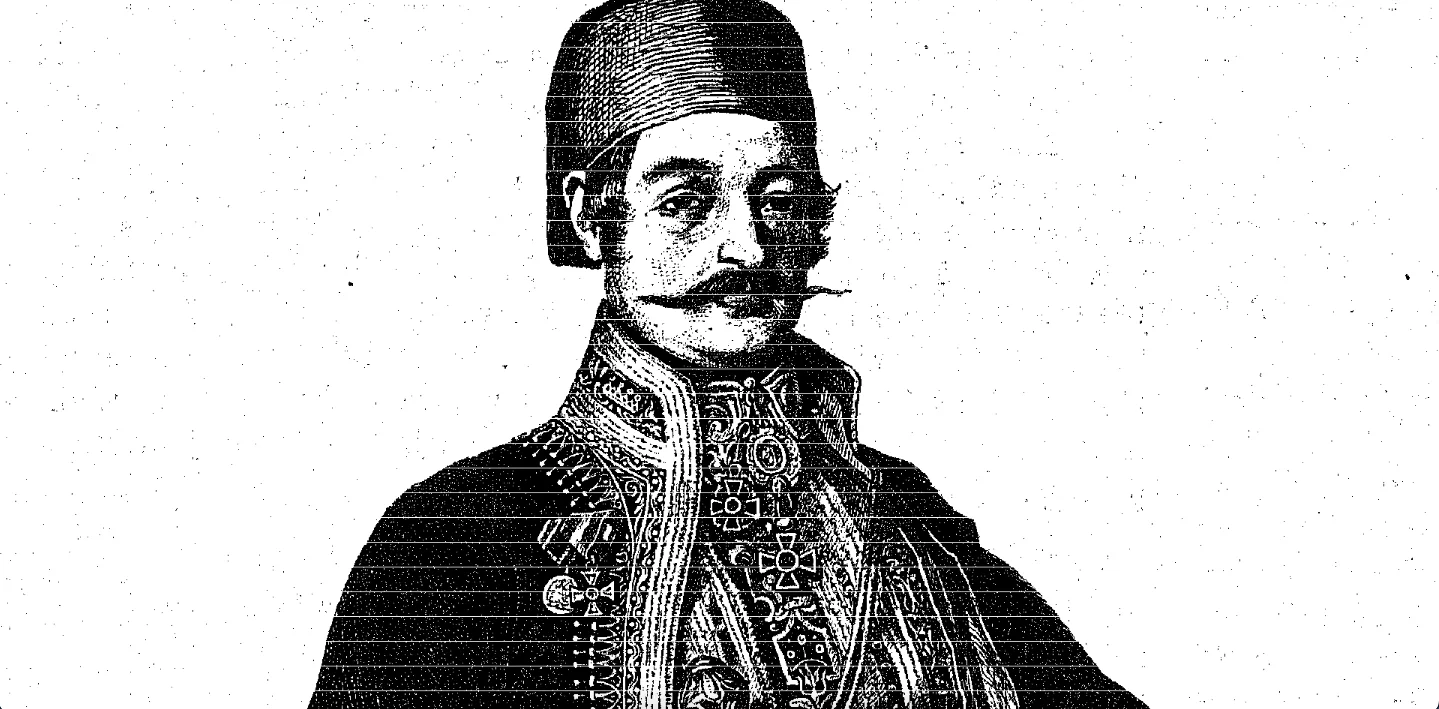

Cited from the published report of Adolf Streckfuss from 1850:
“Hungarian arms met with greater success only in the south—on the Serbian-Rascian theater of war—and in Transylvania; yet even there, the struggle was not to be decided entirely in their favor. On the southern theater of war—specifically in the region west of the Tisza—Hungarian forces were repulsed on December 19 in a minor skirmish at Csepin, on the road from Esseg, by Major General Baron Trebersburg; conversely, on December 21, the Hungarian infantry regiment “Don Miguel” succeeded in capturing the town of Kamenitz on the southern bank of the Danube.
Fighting at the “Römerschanzen” (Roman Earthworks) continued with similarly unfavorable results for the Hungarians; they failed to capture these massive fortifications. The Hungarians fared better in the Banat region west of the Tisza, where they gained significant advantages over the Serbian-Rascian insurgents, driving the Serbs back to their headquarters in the town of Pancsova.
The Hungarians would have made even greater progress on this southern front had a substantial auxiliary corps from Turkish Serbia not arrived to reinforce the Serbian-Rascian insurgency under the command of the irregular leader Knićanin. This irregular corps consisted of a motley, undisciplined rabble; yet, alongside the most savage cruelty—beheading prisoners was among their favorite pastimes—the Serbian irregulars possessed an equally wild and ruthless bravery.”
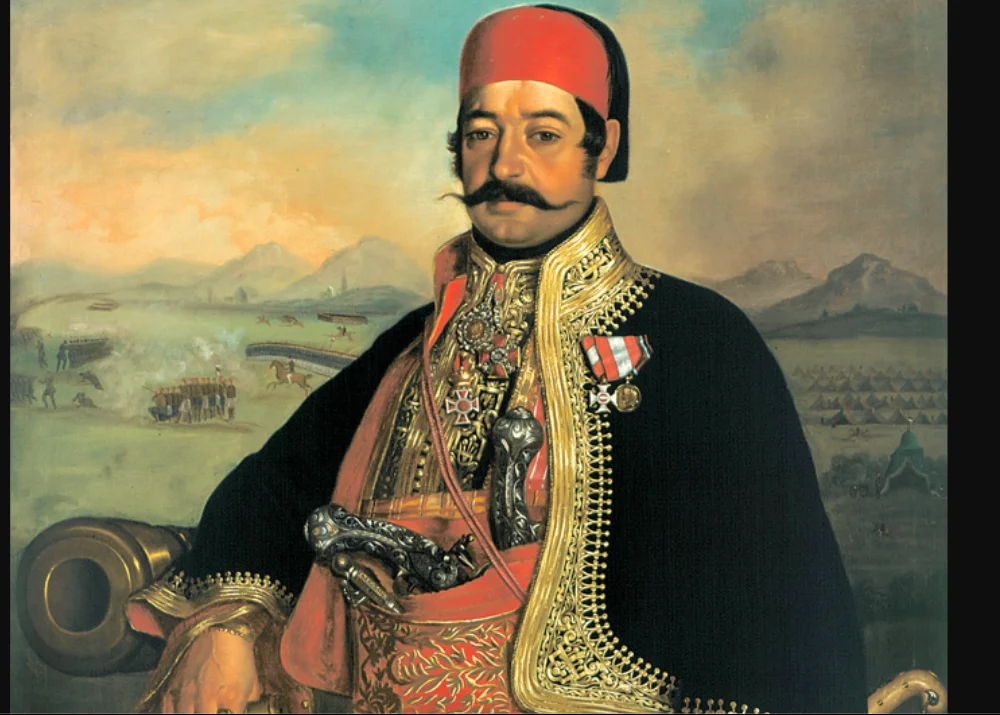
Painting of Stevan Petrović Knićanin (taken from Wiki).
Violation of established European laws of warfare
As early as the 18th century, the Swiss international lawyer Emer de Vattel had formulated the rule very clearly. In The Law of Nations, Book III, §149, he wrote:
”As soon as your enemy has laid down his arms and surrendered his person, you have no longer any right over his life…”
Knićanin’s Serbian irregulars are accused in a this source from 1850 of beheading Hungarian prisoners of war. Such killing of individuals who had surrendered or been taken prisoner violated the established European laws or customs of warfare of the time.
Source
Die ereignisse im jahre 1849 nebst einer geschichte der kriege in Ungarn, Italian, Schleswig-Holstein and Baden, so wie des deutschen parlamente im jahre 1848. Teil i-ii. Volume 1. Adolf Streckfuss. 1850. p.359

