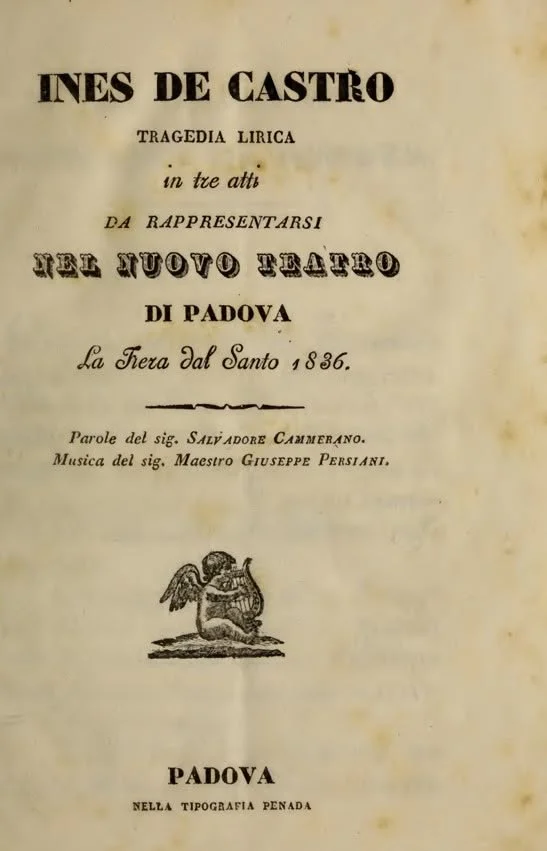
The libretto published in Padua, at the Penada printing house, for the 1836 artistic season, serves as an important piece of evidence regarding the history of Teuta’s representation within 19th-century European stage culture. What makes this material particularly significant is the fact that Teuta is not merely mentioned in passing—within a piece of dialogue or a brief passage—but is instead one of the work’s central characters. She is portrayed as the Queen of Albania and is directly linked to the unfolding of the dramatic conflict, the command of the army, and the political fate of her kingdom.